Yorkshire wildlife

Yorkshire wildlife, from red kites to hares, hedgehogs, and seals. Notes on the animals and birds, including description, behaviour and life cycle, plus our own photos.
Read about Yorkshire wildlife.
Yorkshire cycling website
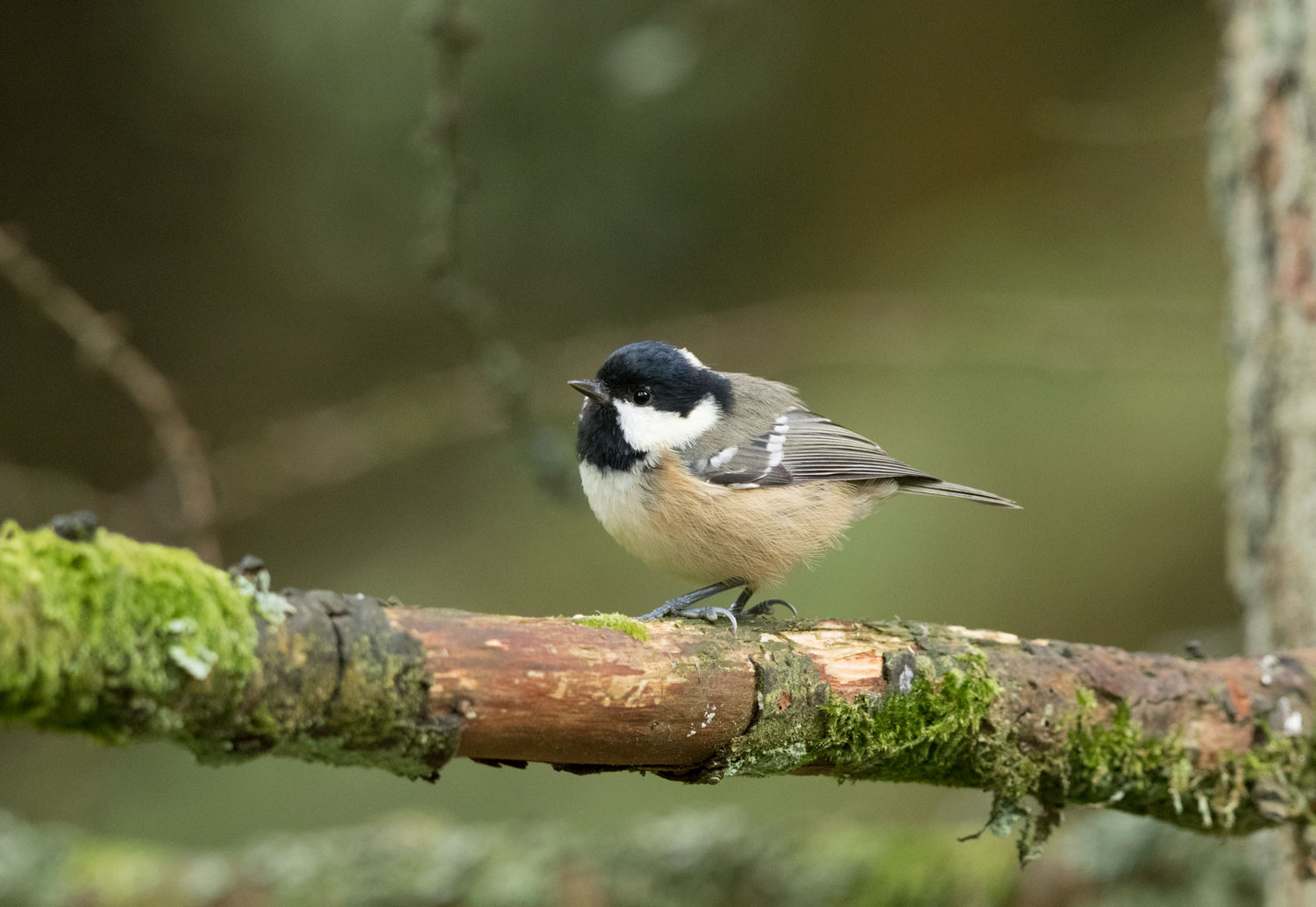
Coal tit, Yorkshire Dales
The coal tit in Yorkshire.
Tits are small and lively, and most species live in woodland. In winter, they gather in mixed flocks.
Tits (Paridae) are a family of passerine birds. The coal tit is Parus ater.
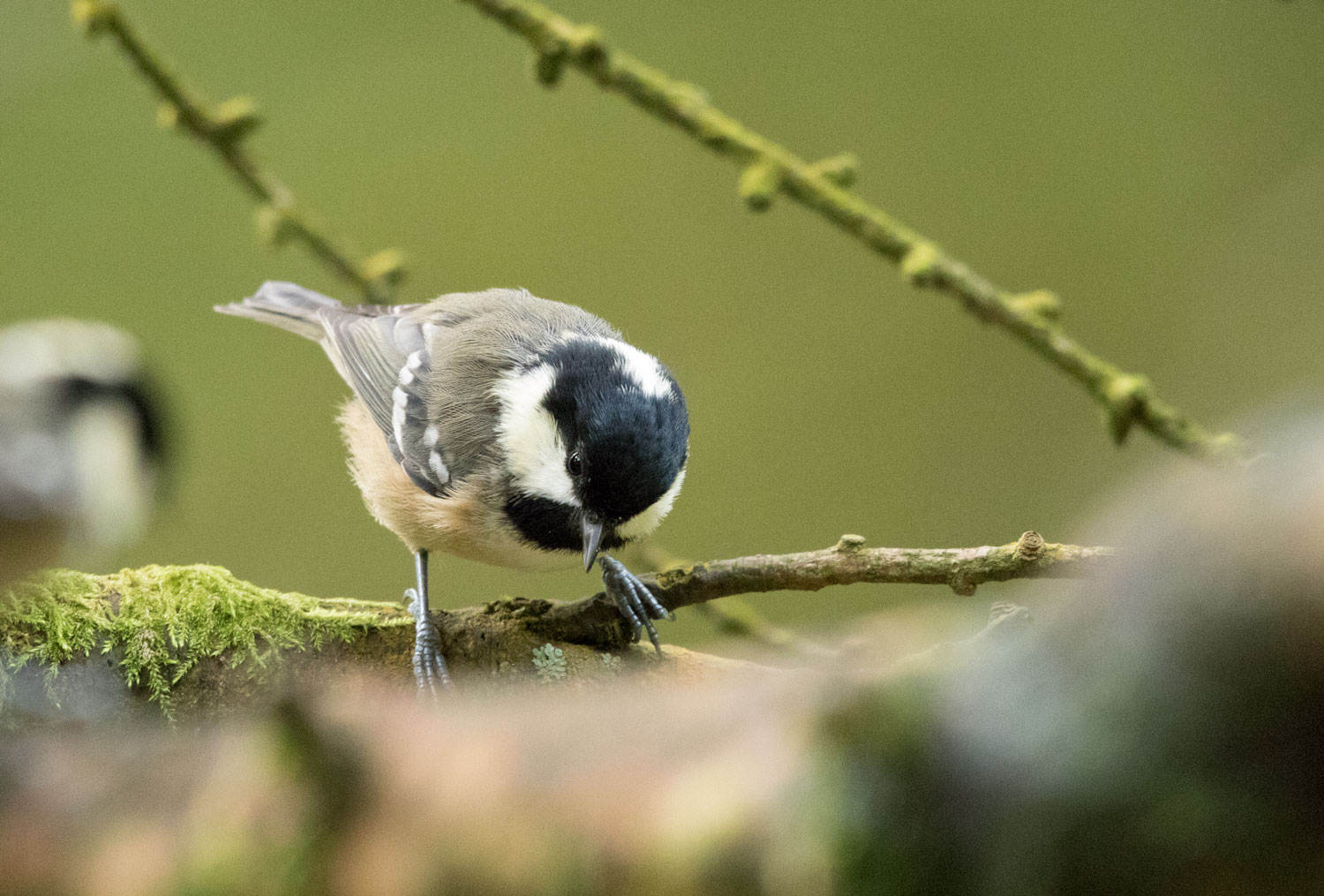
Coal tits are resident in Britain and Ireland all year round, as well as most of the rest of Europe, except for the north of Scandinavia. Collins bird guide says they are quite mobile, with northern populations moving south in autumn in some years.
They favour conifer woods, often where there are some taller spruces.
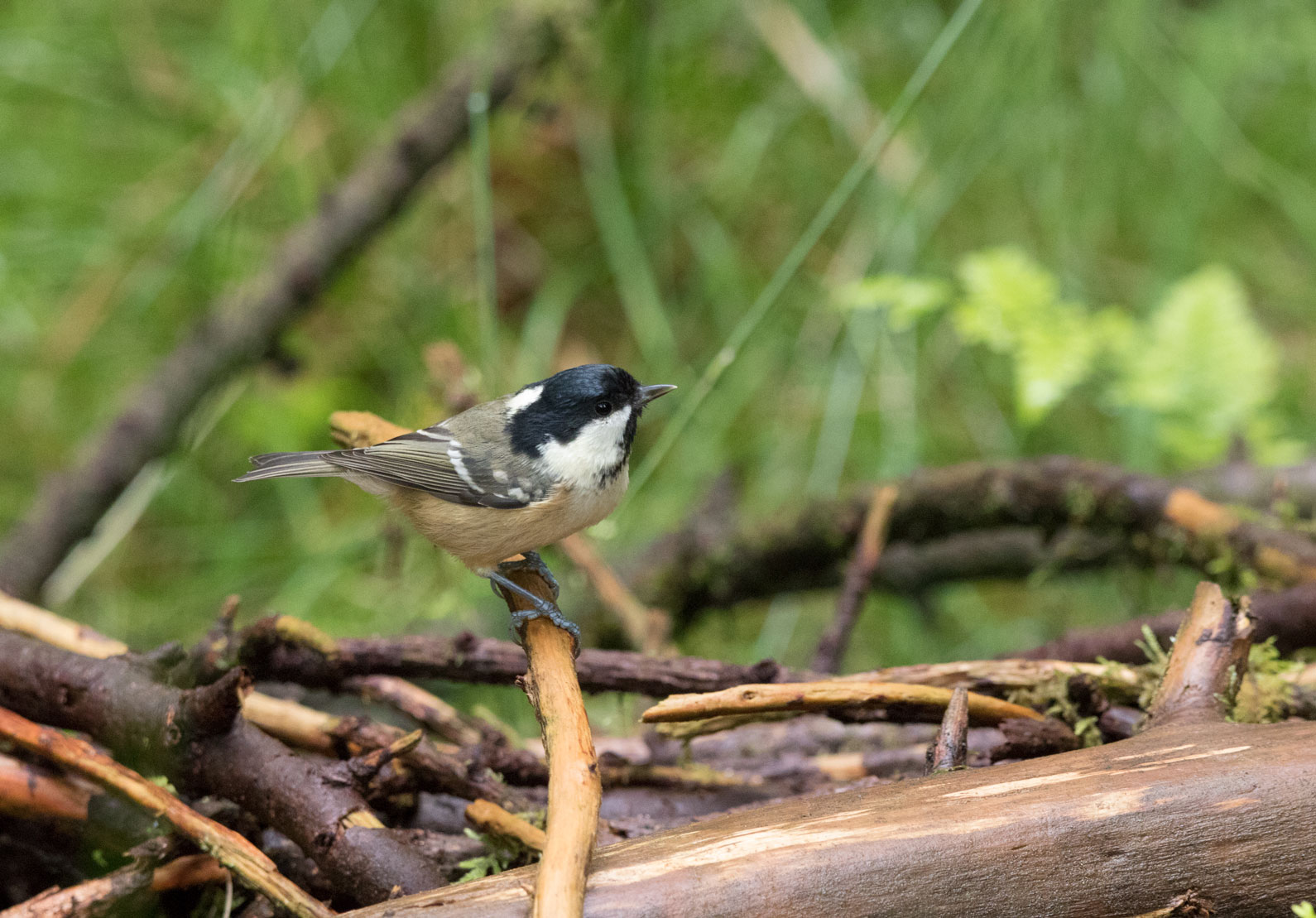
The coal tit is somewhat similar to the great tit, but smaller (10cm long as opposed to 15cm).
It has a black head with white cheeks, and a white oval patch on the nape of the neck; olive-grey back and wings, a white wing bar, and buff colour underparts. It can erect a small tuft on the top of its head. (It's only coal tits in Britain and Spain that have the olive-grey colour back and wings; elsewhere, they are more blue-grey).
Coal tits take advantage of their small size and light weight to forage in the tops of trees and on outer branches, for seeds, insects, and spiders.

All images © Hedgehog Cycling

The brown hare, or European hare, is a charismatic wild resident of Yorkshire. This non-native species has been in Britain since Roman times at least. Preferring arable land, or grassland with hedges, brown hares are most likely to be seen in the spring. That's the time of year when they may display 'boxing' behaviour.
Read about the brown hare.
Yorkshire wildlife, from red kites to hares, hedgehogs, and seals. Notes on the animals and birds, including description, behaviour and life cycle, plus our own photos.
Read about Yorkshire wildlife.