Cycling in Yorkshire & Beyond

Cycling in Yorkshire & Beyond
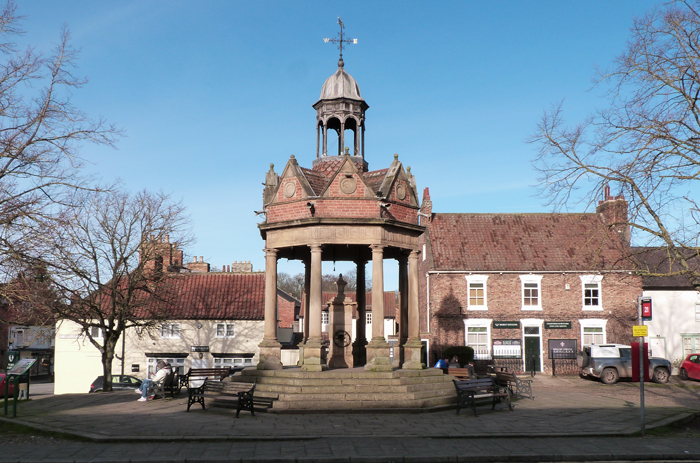
Boroughbridge is a town in North Yorkshire on the river Ure and near the A1M. Its population is 3,594 (2024 estimate).
Neighbouring Aldborough is just a small village today, but it was established by the Romans as the administrative capital of the territory of the Brigantes people.
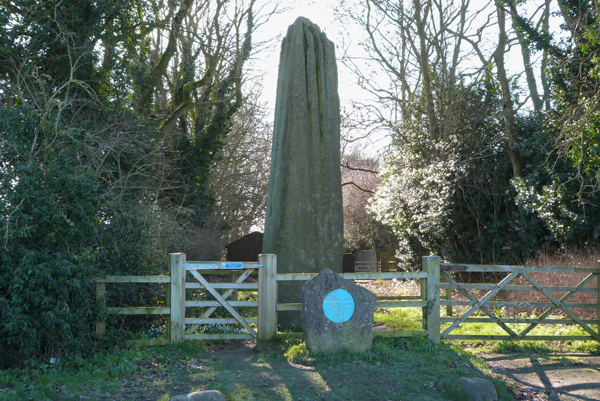
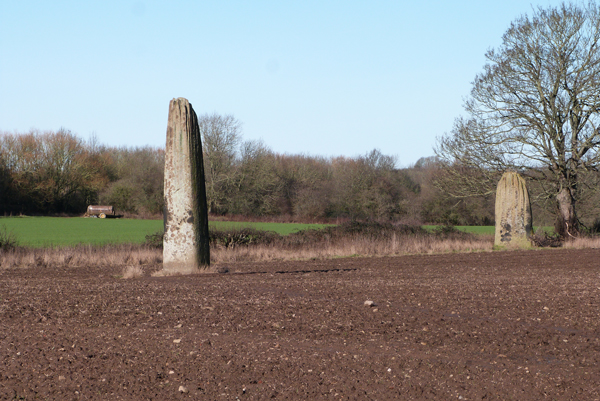
There is early evidence of human activity in Boroughbridge - the Devil's Arrows standing stones.
There are three of the Bronze Age (2500-700BC) stones, or menhirs, on the western edge of Boroughbridge. The probably date from around 2000BC.
There used to be at least one more, but it was dug up and broken and used as part of a bridge over the river Tutt.
The Devil's Arrows are some of the tallest standing stones in Britain. The tallest of them may be second in height only to the Rudston Monolith.
They are millstone grit, which probably came from Plompton Rocks near Harrogate. They may align with the southernmost Summer moonrise.
They are part of a wider prehistoric landscape which includes henges (notably the Thornborough Henges at Nosterfield) and tumulii.
They are called the Devil's Arrows because the Devil stood on Howe Hill and said 'Borobrigg keep out o' way, for Aldborough town I will ding down'.
The Devil then threw the stones at Aldborough, but they fell short and landed where they are now.
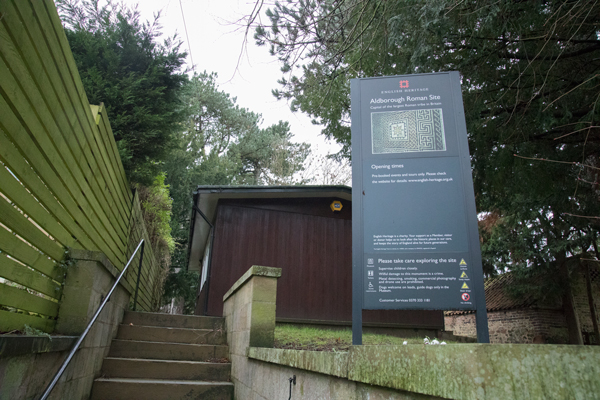
The village of Aldborough was the location of a Roman town called Isurium Brigantum.
Isurium Brigantum was quite an important place - the administrative and trading centre for the territory previously ruled by the Brigantes tribe, from Derbyshire in the south to Hadrian's Wall in the north.
It was a civitates, or regional capital.
It was established sometime after AD71, when the Romans founded their fort at York and began the conquest of the Brigantes people.
One theory about the town's origins is that it grew up as a trading community to serve a Roman fort a short distance away at Roecliffe.
The Roman fort at Roecliffe was built during the Flavian period (69-96AD, Emperors of the Flavian family including Vespasian), probably in 71AD.
The Roecliffe fort was no longer used from 85AD, but Dere Street was built - the route from York to Hadrian's Wall. It was on the route of today's B6265, then Holbeck Lane approaching Aldborough.
The settlement at Aldborough continued after the Roecliffe fort was defunct, probably because it was on Dere Street.
Isurium Brigantum was not primarily a military town like York, but a civilian one. It was occupied by Romanised Brigantes, and possibly by the Roman Legio IX Hispana. It had a ditch, defensive walls, and high-status town houses.
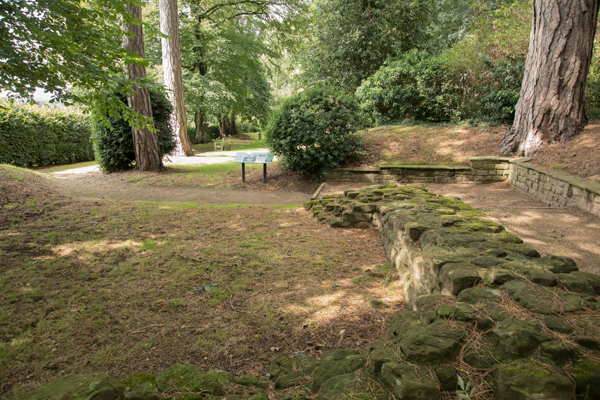
Writing in the 1300s, monk Ranulfus Higden said that Isurium Brigantum was one of the great English cities, on a par with Chester, York, Edinburgh and Carlisle.
It may have been sacked by the Vikings in AD870.
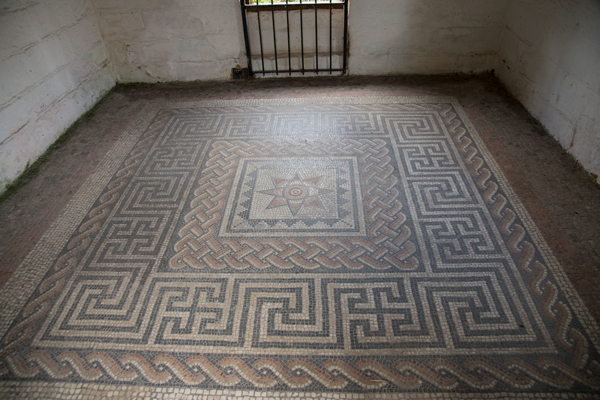
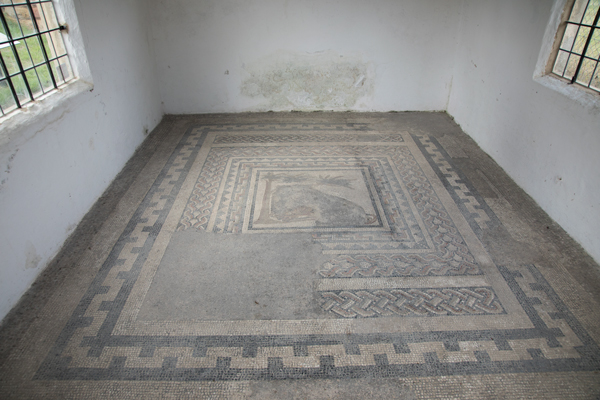
Writers in the 1700s mentioned Aldborough and its mosaic pavements.
In 1852 a book called Reliquiae Isurianae was published, describing the layout of the town and the finds.
In 1863, the Lawsons of Aldborough Manor set up a museum.
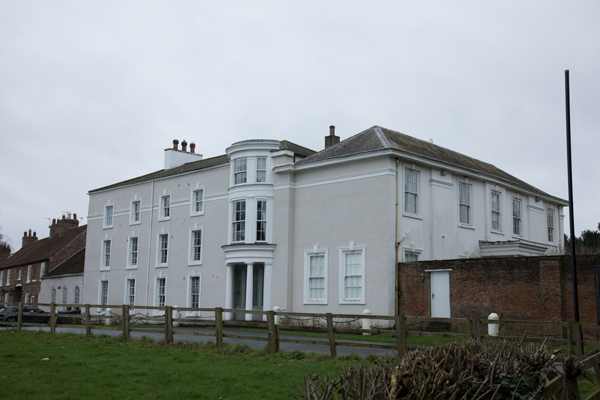
Recent geophysical surveys (starting in 2016 as part of the Aldborough Roman Town Project) have confirmed the layout of the town, and found the forum (on the site of the modern church), a military compound, and an amphitheatre.
The small museum on site has finds including a milepost.
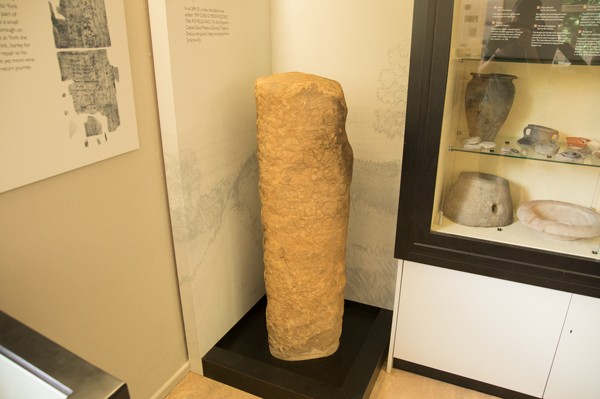
An inscription on the milepost from around 250AD says:
IMP CAES G MESSISV Q DECI TRA PO FELICI AVG
This means 'To the Emperor Caesar Gaius Messius Quintus Trajanus Decius, the pious, fortunate and great Augustus'.
After the Norman Conquest of 1066, the crossing of the Ure moved west, and a new town started to grow around the new river crossing. That was Boroughbridge.
The first documentary record of Boroughbridge - pontem de Burgo - was in 1155.
At that time, Aldborough got its current name - the old burgh, or ancient fortification.
In 1318, Boroughbridge was devastated by the Scots who burned the town and returned home with livestock and prisoners; they came back the following year and caused more damage.
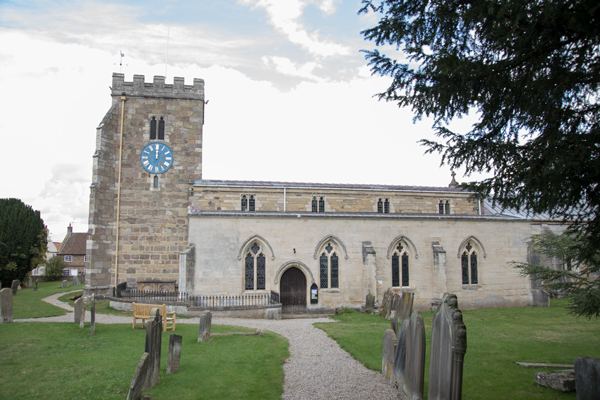
Aldborough Church was wrecked by the Scots, and had to be rebuilt later in the 1300s. Its church tower is made of limestone taken from the Roman forum.
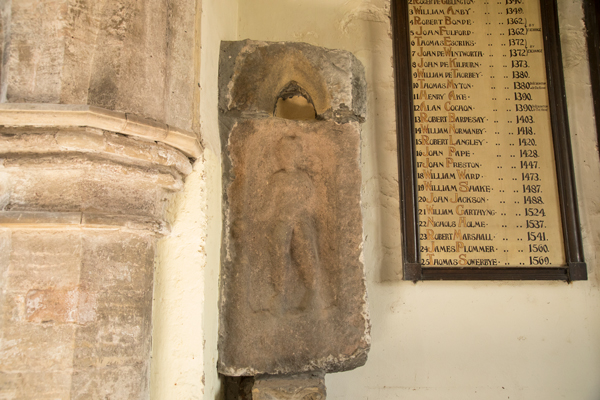
Inside the church is a Roman figure representing the god Mercury.
The Battle of Boroughbridge took place in 1322 between Sir Andrew Harcla on behalf of Edward II, and Thomas, Earl of Lancaster. The King's forces won.
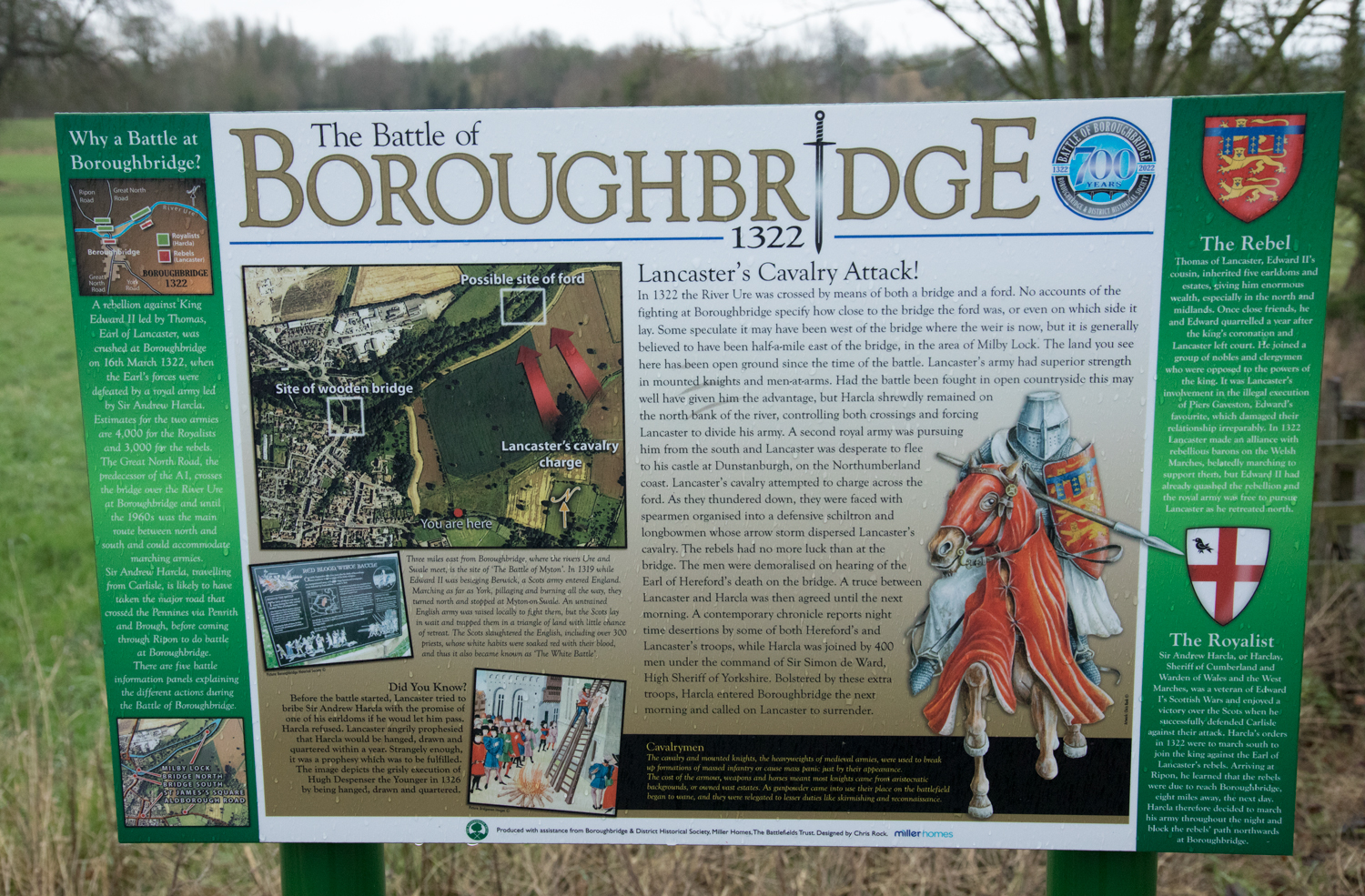
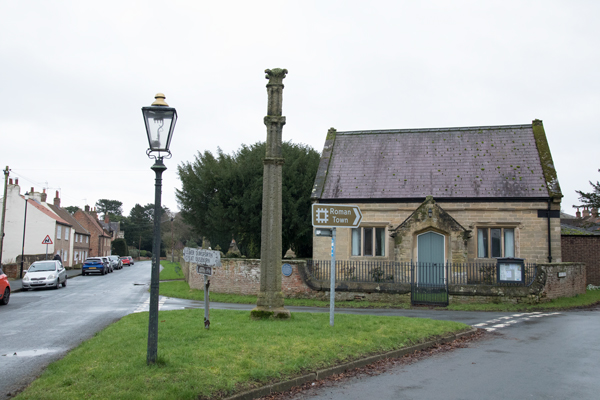
The Battle Cross was erected in Market Square Boroughbridge to commemorate the event, but it was later moved to Aldborough.
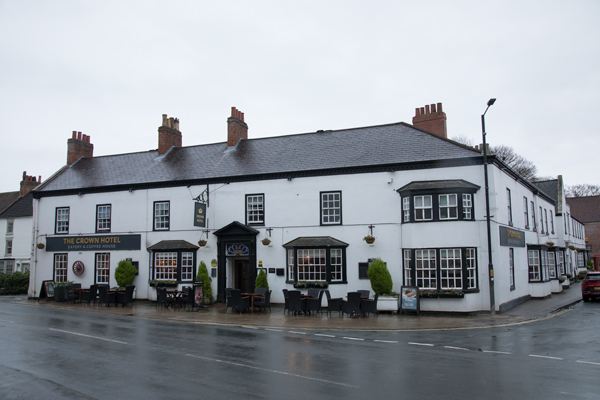
Boroughbridge was an important stage for coaches travelling between Edinburgh and London.
In Summer, the trip took 10 days. Coaches started out from Edinburgh or London and travelled Tuesday-Saturday (5 days) to Boroughbridge; the rest of the trip was Monday to Friday (another 5 days).
In Winter, the trip took 12 days, but Boroughbridge was still the mid-point.
In the heyday of the stagecoaches, there were 22 inns in Boroughbridge.
With the advent of the railway, Boroughbridge declined in importance. Stagecoach transport disappeared by 1853, and the town lost several of its inns.
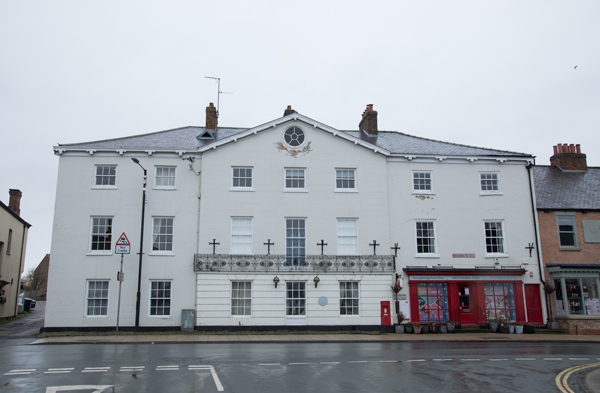
Today Boroughbridge is a small town by the A1M, and it still serves as a stopover for people on long trips.
It's also on the route of the Way of the Roses long-distance cycle route.

It has a High School and a Morrisons. There is a lot of new housing in Boroughbridge.
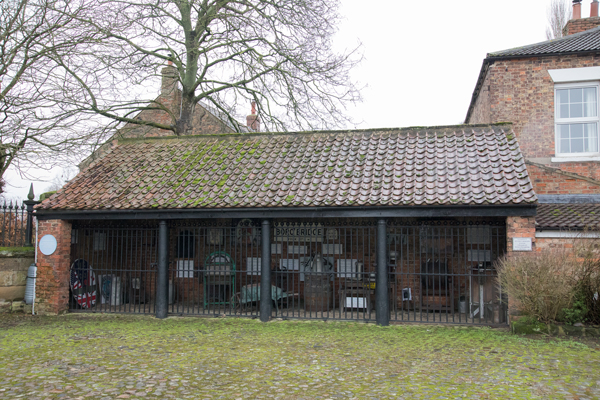
The Butter Market Museum is a small, free museum in Hall Square.
The Market Well in St James Square is 256 feet deep, and was once the principal source of water in the town.
It served drovers and their livestock, the crews of riverboats on the Ure, and stagecoach passengers and horses.
The fancy stone well cover was donated by the Lawson family in 1875.
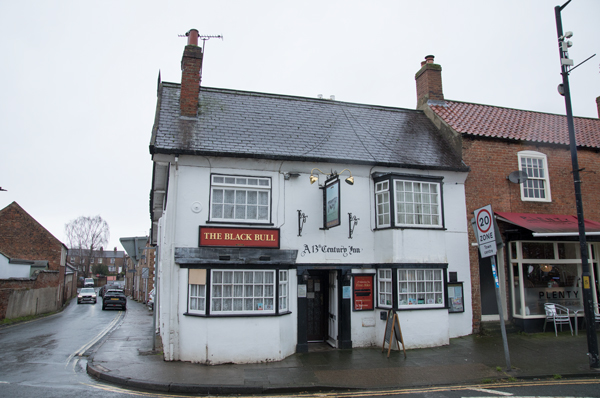
Also in St James Square is a C13th coaching inn, the Black Bull.
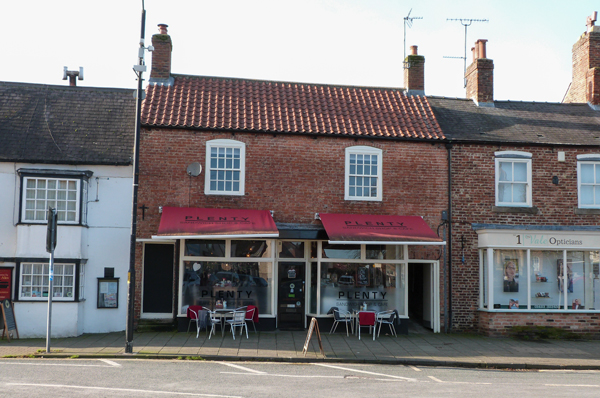
There's a café called Plenty in St James Square.
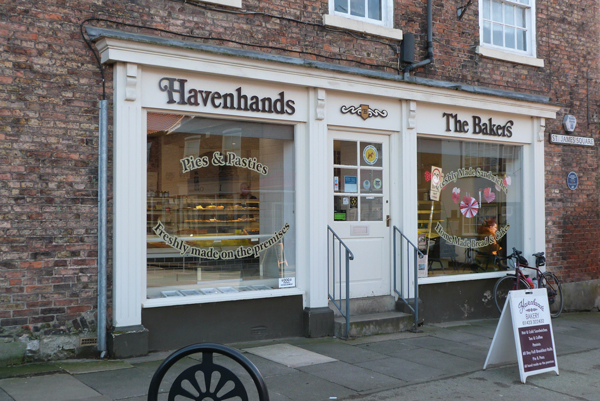
There's also a bakery, Havenhands.

Boroughbridge and Aldborough are on the 1:50,000 OS Landranger map number 99, Northallerton and Ripon.

Bike Rides in the Yorkshire Dales is available in colour paperback.
Find out more about Bike Rides in the Yorkshire Dales or buy a copy.

Bike Rides In and Around York features a historical city tour, plus family rides, road rides, and mountain bike rides.
Find out more about Bike Rides In and Around York or buy a copy.

Bike Rides in Harrogate and Nidderdale is a book of family, mountain and road bike rides.
Find out more about Bike Rides in Harrogate and Nidderdale or buy a copy.
As an Amazon associate I earn from qualifying purchases.