Cycling in Yorkshire & Beyond

Cycling in Yorkshire & Beyond
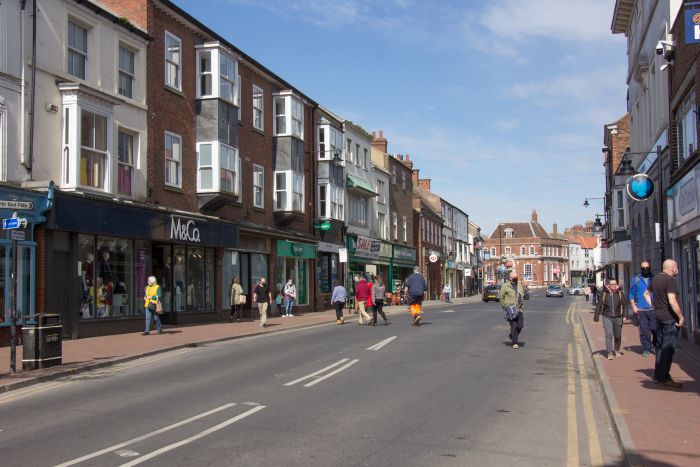
Driffield is a market town with a population of about 13,500. It's sometimes called the Capital of the Yorkshire Wolds.
The name Driffield means 'dirty (manured) field' or 'stubble field'.
It is governed by the East Riding of Yorkshire Council, but also has its own Town Council.
There were prehistoric settlements in this area.
A Bronze Age mound outside Driffield was excavated in the 1800s (the Kelleythorpe cist burial). It contained a knife, a dagger, a beaker and a greenstone wrist-guard from 2,200-1,500BC. The items are now in the British Museum.
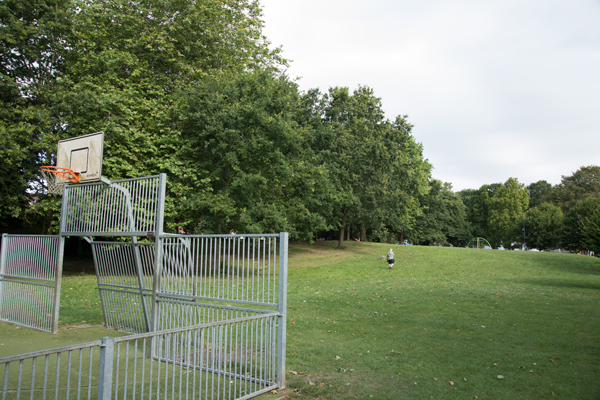
Driffield was a capital of Anglian Deira, part of Northumbria. There may have been an Anglian palace (Deira Castle) at North End Park.
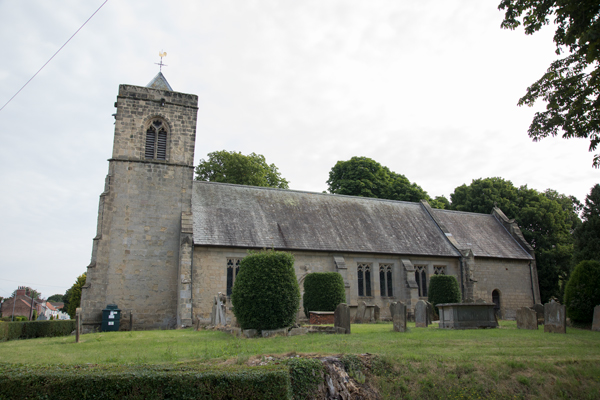
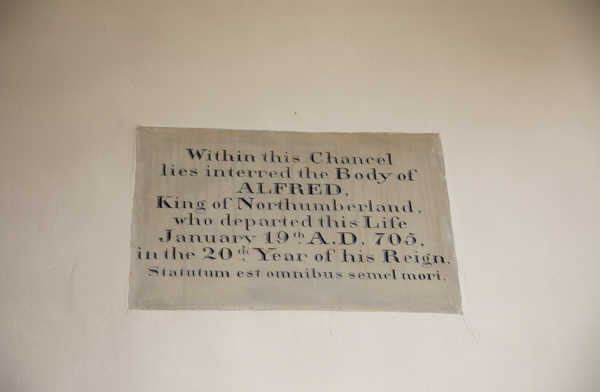
The Anglo-Saxon Chronicle records the death of King Aldfrith of Northumbria in Driffield on 14th December 705, and he is said to buried at the church in Little Driffield.
A plaque in the chancel of the church mistakenly refers to Alfred rather than Aldfrith.
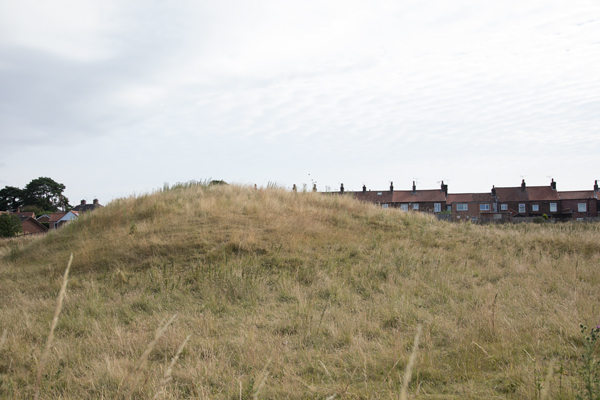
There was a Norman motte and bailey castle here, the remains of which are at Moot Hill (just the earth mound, or motte).
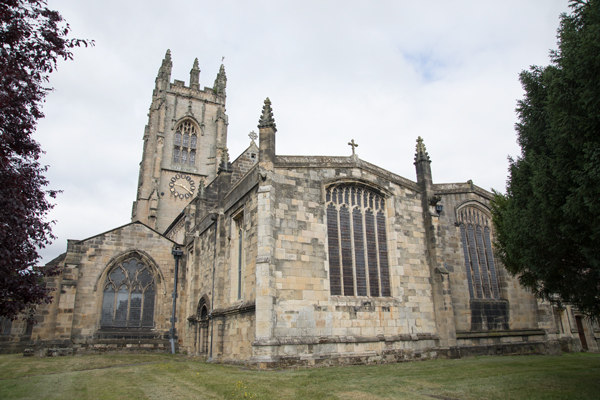
All Saints Church dates back to the Norman period (the 1100s), though there may have been an earlier Anglo-Saxon church on the site; there are also additions to the building which post-date the 1100s.
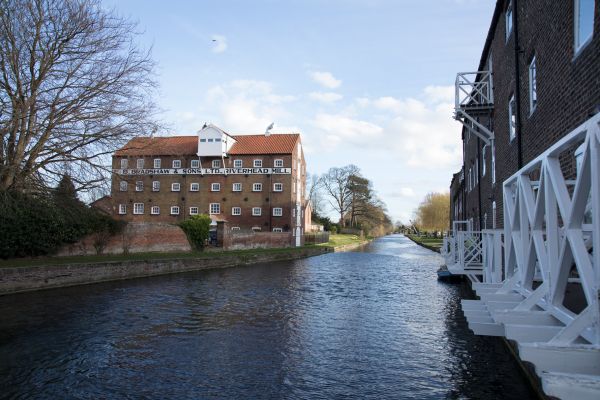
The Driffield Navigation Canal was built in 1770 and linked Driffield to the river Hull near Brigham Carr, and thus to Beverley and Hull.
That enabled industry to develop at River Head: granaries, flour mills, breweries, coal yards and manufacturing.
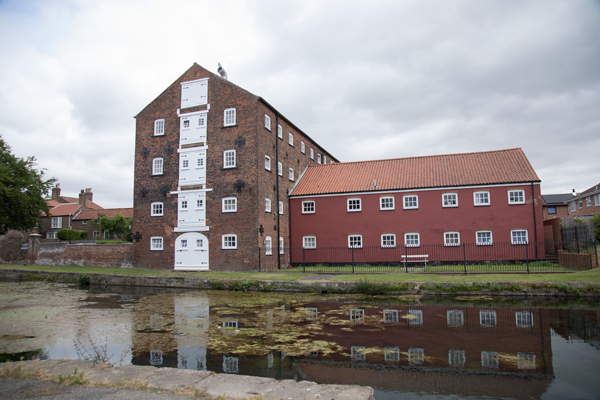
J R Mortimer was a corn merchant in Driffield.
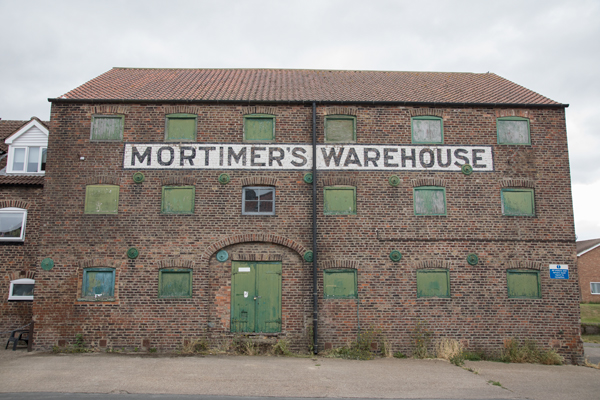
He was also an amateur archaeologist, who excavated Bronze Age, Iron Age and Anglian burials. He amassed a collection of artefacts which were displayed at Driffield Museum.
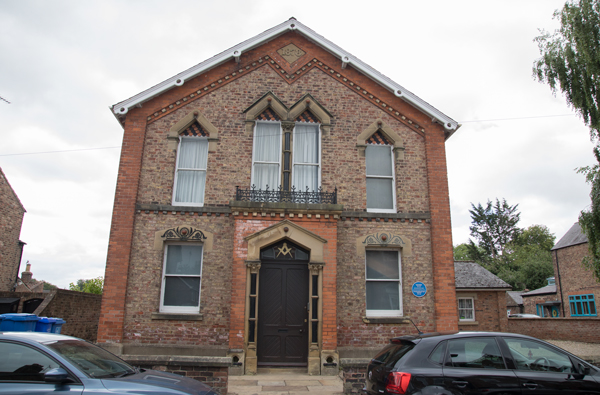
Another famous Driffield businessman from the 1800s, Benjamin Fawcett, also had premises near River Head - his East Lodge Print Works.
He was well-known for wood-block colour printing, and his most celebrated works were the illustrations in A History of British Birds.

Commercial traffic on the canal stopped in 1951. Its condition then deteriorated, but the Driffield Navigation Trust restored it to navigable condition by 2009.
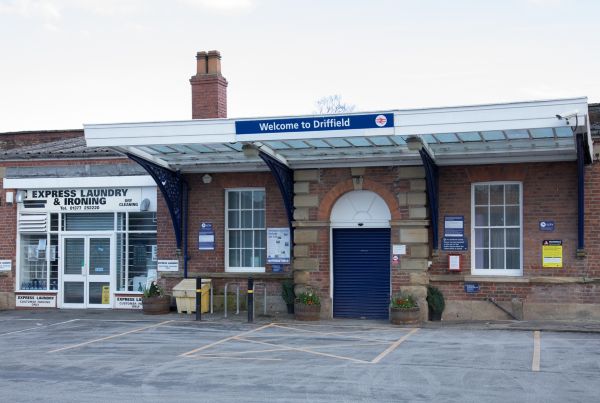
The railway came to Driffield in 1846, giving the town a station on the Hull to Bridlington Yorkshire Coast Line; two later lines to Driffield have since closed.
The airfield at Driffield was built in 1916, and in 1934 it became a permanent RAF station.
It was bombed by the Germans on 15th August 1940, resulting in 14 deaths and many injuries as well as the loss of 12 Whitley bombers.
Post-War, there were Thor nuclear missiles at RAF Driffield. In 1977 the Army took over the airfield, renamed it Alamein Barracks, and used it as a driver training centre.
RAF Driffield is still used by the Ministry of Defence for driver training. There are some industrial units on the margins, and there is talk of a sprawling housing estate here.
The Happy Mondays recorded at Slaughterhouse Studios in Driffield.
There's a Driffield Town Trail with a suggested history walk.
People find Driffield nice, if not very exciting. One contributor to a Reddit thread says:
'Lived in the area for 30+ years. In a nutshell: decent if you don't mind being out of the way with not much going on and hardly any police. Anything you want to do, you'll have to drive to do it.
But if what you're looking for is bags of charm, peace and quiet, charity shops, pretty views and a monolith at Rudston, Driffield is for you!'
The Driffield tradition of Scrambling takes place early in the New Year.
Children walk along the main street shouting:
'Here we are at oor toon end,
A shoulder o' mutton and a croon ti spend.
Are we downhearted? No!
Shall we win? Yes!'
Shopkeepers dish out goodies and pennies to the Scramblers.
The tradition is thought to have originated with itinerant traders who set up in the outskirts of Driffield, and may have distributed gifts to the crowd to promote trade.
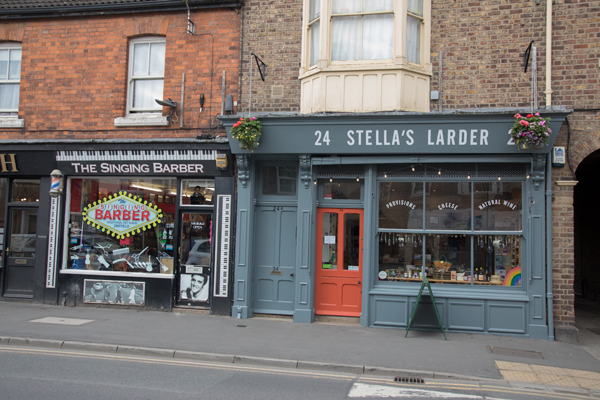
Most of the shops are on the north to south Middle Street-Market Place-Middle Street route. There are also some businesses off Middle Street.
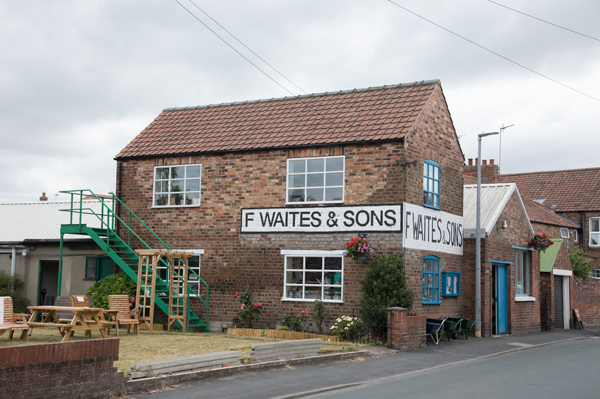
Thursday is market day.
Driffield Show (July) is the UK's largest one-day annual agricultural show. It '...combines traditional agricultural excellence with a vibrant showcase of rural life, enterprise and community spririt'.
Driffield Steam Fair (August) also takes place on the Showground.
It features hundreds of vintage and classic vehicles, and there is a Saturday evening road run into Driffield town centre.

Bike Rides in the Yorkshire Dales is available in colour paperback.
Find out more about Bike Rides in the Yorkshire Dales or buy a copy.

Bike Rides In and Around York features a historical city tour, plus family rides, road rides, and mountain bike rides.
Find out more about Bike Rides In and Around York or buy a copy.

Bike Rides in Harrogate and Nidderdale is a book of family, mountain and road bike rides.
Find out more about Bike Rides in Harrogate and Nidderdale or buy a copy.
As an Amazon associate I earn from qualifying purchases.