Cycling in Yorkshire & Beyond

Cycling in Yorkshire & Beyond
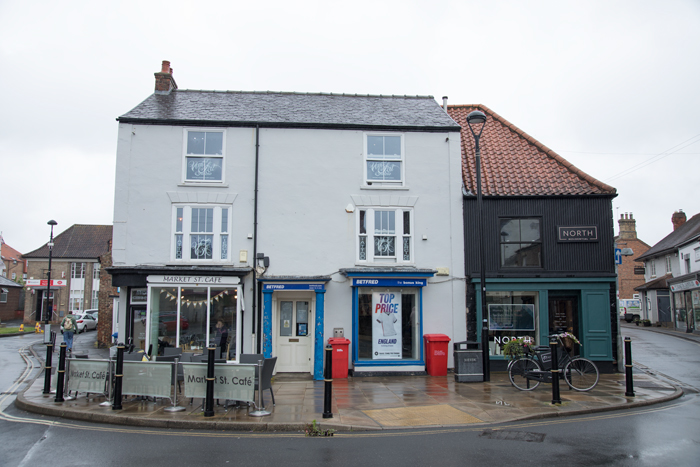
Pocklington is a market town with a population of about 10,000. It's a spring line settlement at the foot of the Yorkshire Wolds.
It is governed by the East Riding of Yorkshire Council, but also has its own Town Council.
The habitation of Pocklington goes back to the Bronze Age.
During the Iron Age, the area was inhabited by the Celtic Parisi people.
Two different Iron Age chariot graves were found during archaeological excavations prior to new housing developments.
One of them was discovered in 2017 on Burnby Lane, and the other in 2019 on The Mile.
The 2017 Burnby Lane chariot grave find was among 164 burials which included 74 square barrows. Others were rectangular or circular.
They were of a type associated with the Arras culture - not named after Arras in France, but after burials found at Arras Farm, near Market Weighton in 1815.
These types of burials are concentrated in East Yorkshire, but resemble funerary rites of northern France. It is therefore thought that the East Yorkshire Parisi people are connected with the Parisii tribe of northern France (the ones that gave Paris its name).
Some of the French Parisii may have migrated and settled here.
At the Burnby Lane site, there was an area for richer burials divided off from the rest of the cemetery by a trackway. Grave goods including brooches and bangles were found in the VIP area.
The chariot grave was the star find. The person, who died between 320 and 174BC, was placed in a chariot behind horses, and buried with valuable items including a bronze shield.
This was the first Arras culture burial to have been found with horses.
Current Archaeology says:
'We don't know how the horses were killed, but as they both died at the same time it seems safe to rule out natural causes. They were much smaller than modern horses...people are already saying that they are more like ponies'.
The timber elements were not preserved, but the iron parts were largely in tact. The one surviving wheel had iron rims and twelve spokes.
The chariot had been disassembled, as was the case in the Arras Farm chariot graves. In contrast, in similar Continental burials the chariots are not dismantled.
The chariot grave found at The Mile in 2019 was also a square barrow burial.
The person buried was over 46 years of age when he died, and perhaps quite a lot older than 46.
His body was in the cart of the chariot, which was assembled and upright and drawn by upright horses positioned as though in motion. The horses' heads may have been left sticking up above the ground as a grave marker.
In the grave was a shield and a highly-decorated brooch. A toasting fork with a complete rib of pork had been thrown in too, together with six pig skulls.
Little
is known about Pocklington in Roman times, but it is likely to
have been a Roman-influenced by little-altered Iron Age settlement.
Pocklington's name comes from the Anglian period. Poclintun is derived from the Old English Pocel or Pocela (a person) and tun (farm or settlement).
The town can therefore be thought of as Pocela's Farm.
(Around 1900 when it was expanding it was referred to in a local newspaper as Woldopolis).
There was a significant Anglian settlement at Pocklington, and archaeologists were excavating it when they found the second Iron Age chariot burial at The Mile.
In Medieval times, Pocklington prospered as a local centre for wool trading. It was helped by being on (or perhaps just off) the main road between York and Beverley.
In 1245 it was given a Royal Charter for a four-day fair in July. Other fairs were authorised, then in 1299 Pocklington received royal permission to hold a weekly market, initially on a Wednesday.
As well as wool-processing, weavers made cloth, and maltmen processed barley for brewing.
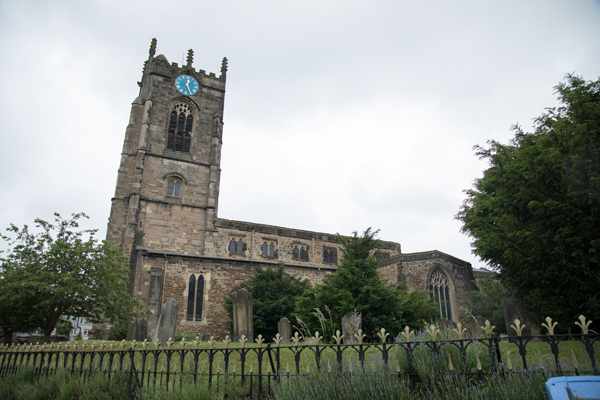
The oldest parts of All Saints Church date from 1200, with other building work done over the years through to 1450.
Pocklington School was founded in 1514 by John Dolman.
Through the church, he established a Guild that employed a learned man to teach grammar to scholars. In 1552, the organisation was reconstituted under the patronage of St John's College Cambridge.
Anti-slavery campaigner William Wilberforce is its most famous old boy, attending from 1771-6.
Adrian Edmondson went there and had a horrible time; more recent reports say it is a much nicer place now.
Local landowners decided to build the Pocklington Canal in 1815 because it would enable the transportation of goods and:
'...would also tend to promote the improvement and better Cultivation of the Circumjacent Country, and would otherwise be of great Public Utility'.
It was finished by 1818. It starts at the main road south of Pocklington and connects to the river Derwent near East Cottingwith.
The Derwent joins the Ouse, which in turn connects to the Humber and Hull.
In 1847, ownership of the canal passed to the York & North Midland Railway, which had an interest in encouraging people and freight to travel by train.
The canal was wilfully neglected by its railway owners, who also increased tolls on canal traffic. Commercial traffic ceased in 1932.
The Pocklington Canal Amenity Society was formed in 1968 with the aim of restoring the canal.
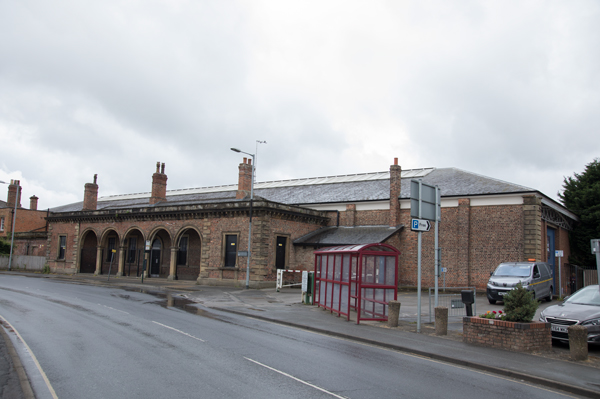
From 1847 Pocklington was a station on the York to Market Weighton railway, built by the York & North Midland Railway Company.
In 1911, 24,934 passenger tickets were sold. The main freight was potatoes, barley and livestock.
Trains stopped running in 1965.
The old station's trainshed is the sports hall for Pocklington School.
RAF Pocklington was an airfield used by bombers during World War II. It lasted from 1941 to 1946.
It was home to the Royal Canadian Air Force at first, then to RAF 102 squadron. Many of the residential streets in Pocklington are named after airmen from the base who died during World War II.
An industrial estate uses some of the buildings in the airfield's technical area. The Wolds Gliding Club has bought one of the original runways.
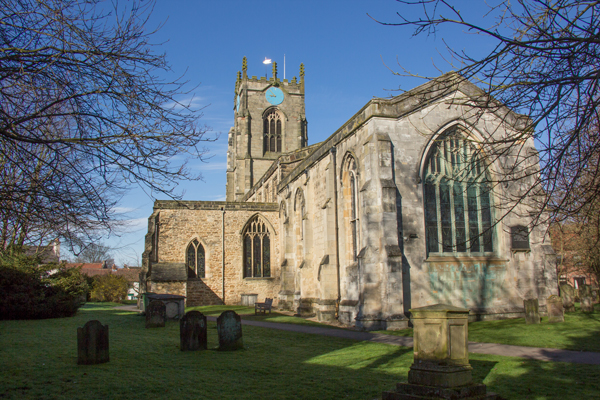
All Saints Church is sometimes called the Cathedral of the Wolds.
The church here may have been founded by Paulinus, the first Bishop of York, in 627.
According to David Neave's pamphlet 'Pocklington A Small East Riding Market Town', the present structure has some Norman elements but was largely built between 1200 and 1450.
The Sotheby Cross is inside the church.
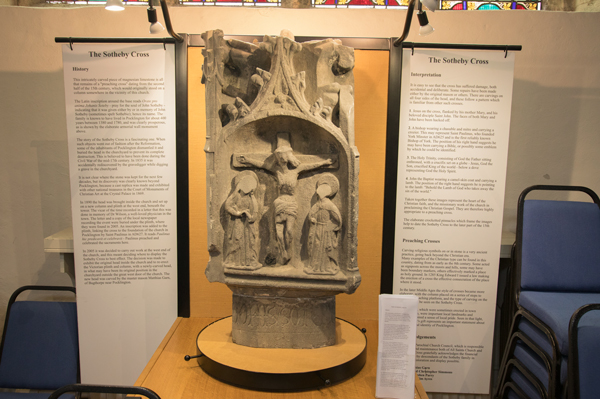
It is the head of a preaching cross from the 1400s.
The Latin inscription reads 'Orate pro anima Johanis Soteby' - pray for the soul of John Sotheby. This suggests that it was either given by him, or set up in his memory.
The prosperous Sotheby family lived in Pocklington from 1380 to 1780.
It is thought to have been buried in the churchyard in the 1640s during the Civil War to prevent its complete destruction, and rediscovered accidentally in 1835.
In 1890, the cross head was put on a new column and plinth inside the church. On the plinth was the inscription 'Paulinus hic predicavit et celebravit' - Paulinus preached and celebrated the sacraments here.
In 2005, a newly-carved cross head was put on the column and plinth in the churchyard, and the original cross head was displayed inside the church.
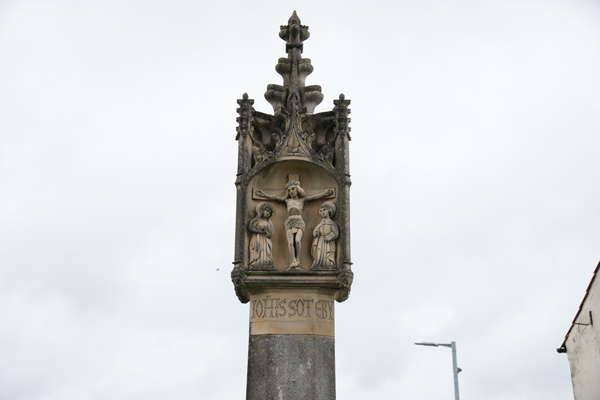
There are carvings on all four sides of the cross head. They are:
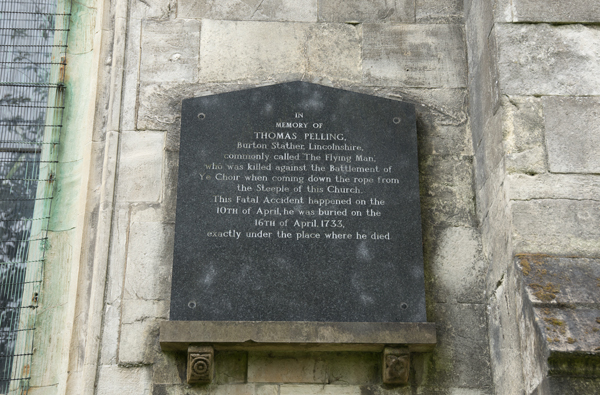
At the east end of the church, outside in the churchyard, a plaque commemorates the Flying Man of Pocklington.
He was attempting to 'fly' from the church to the market place on 10th April 1733. In fact one of his legs was attached by iron rings to a rope, and he was intending to slide down the rope.
His other legs and his arms were free to enable him to balance. He was wearing a set of wings to make him look like a bat.
The rope was attached to the church tower at one end and to a winch (a windlass) at the Star Inn in Market Place at the other.
As he began his descent the rope became too slack, and he shouted for it to be tightened. Unfortunately his assistants loosened it further, and he fell onto the battlements of the east end of the church, fractured his skull, and died.
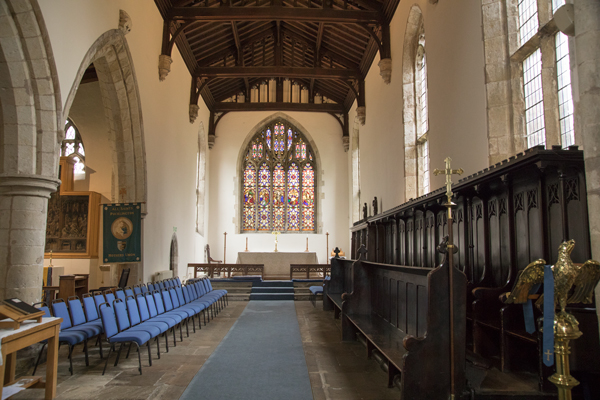
I understand the stained glass dates from the 1800s.
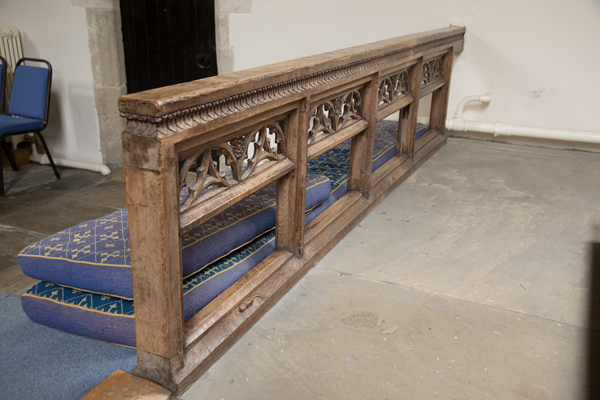
There is an altar rail from the Mouseman Thompson workshop in Kilburn, North York Moors. It dates to around 1950.
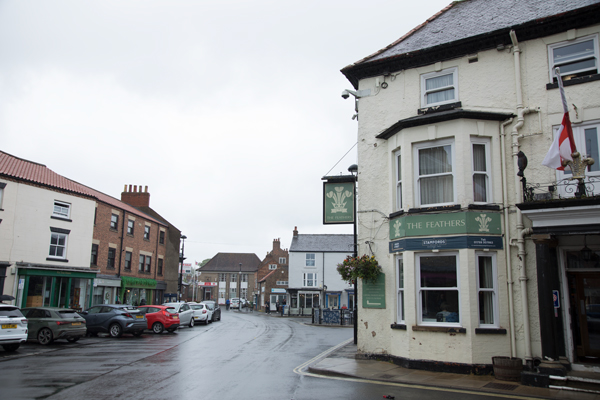
Pocklington first received a royal charter for a market in 1299.
The town had a lot of alehouses, many of the clustered around Market Place. For example, in 1756 there were 32 alehouses for a population of just 900.
In his book on Pocklington, David Neave concludes that alehouses must have been at the centre of much of the leisure time and entertainment of the townspeople.
The modern market is on Tuesdays. In a Google review, Jackie Stones says:
'Excellent street market with lots of local fruit and veg, home baking, fresh meat and a very popular fish counter. Also selection of clothing, books, household items for sale. Plenty of places to sit overlooking the market and enjoy a morning coffee/lunch or afternoon snack. Highly recommended'.
For balance, Carol Hendry says:
'Rubbish couldn't get parked for a start not much there'.
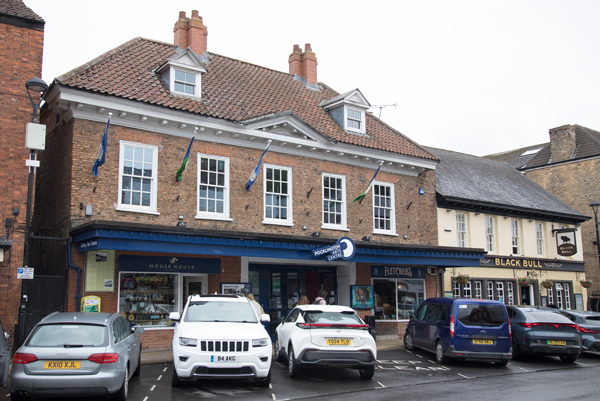
Pocklington Arts Centre is on Market Place.
It occupies a building that used to be a doctor's house and The Ritz Cinema, amongst other things. It opened in 2000.
At the time of writing (2026), upcoming comedy acts include Rich Hall, Hal Cruttenden and Neil Delamere
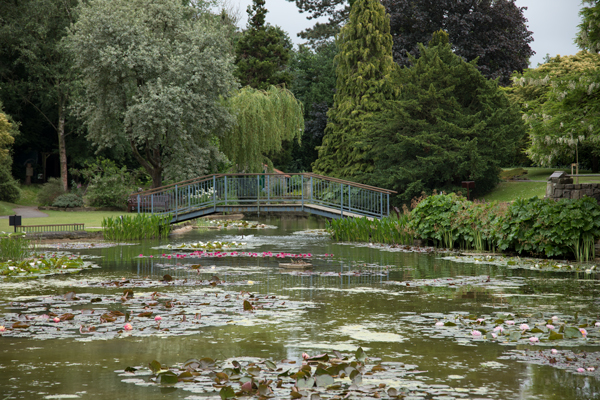
Burnby Hall Gardens is a popular Pocklington attraction.
It has a national collection of over 80 varieties of hardy water lilies.
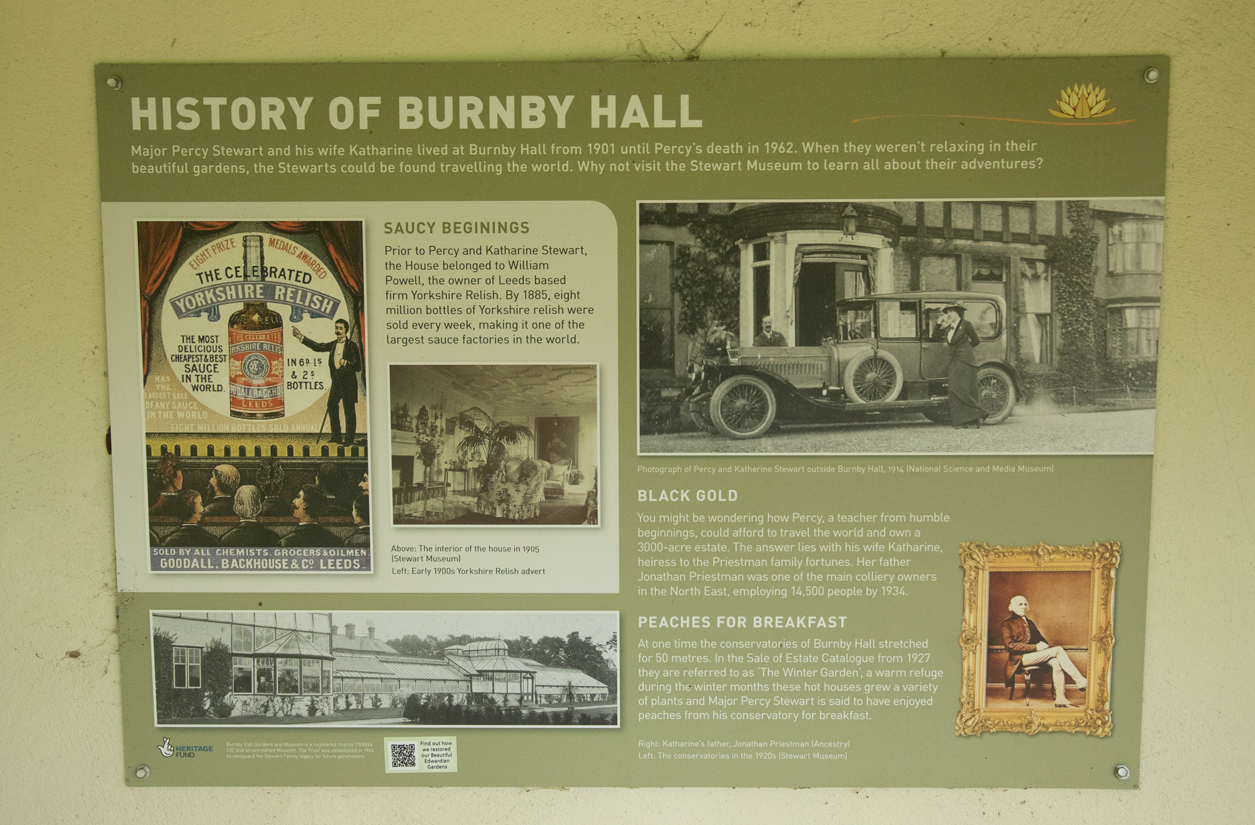
In the late 1800s Burnby Hall belonged to William Powell, owner of Leeds-based firm Yorkshire Relish.
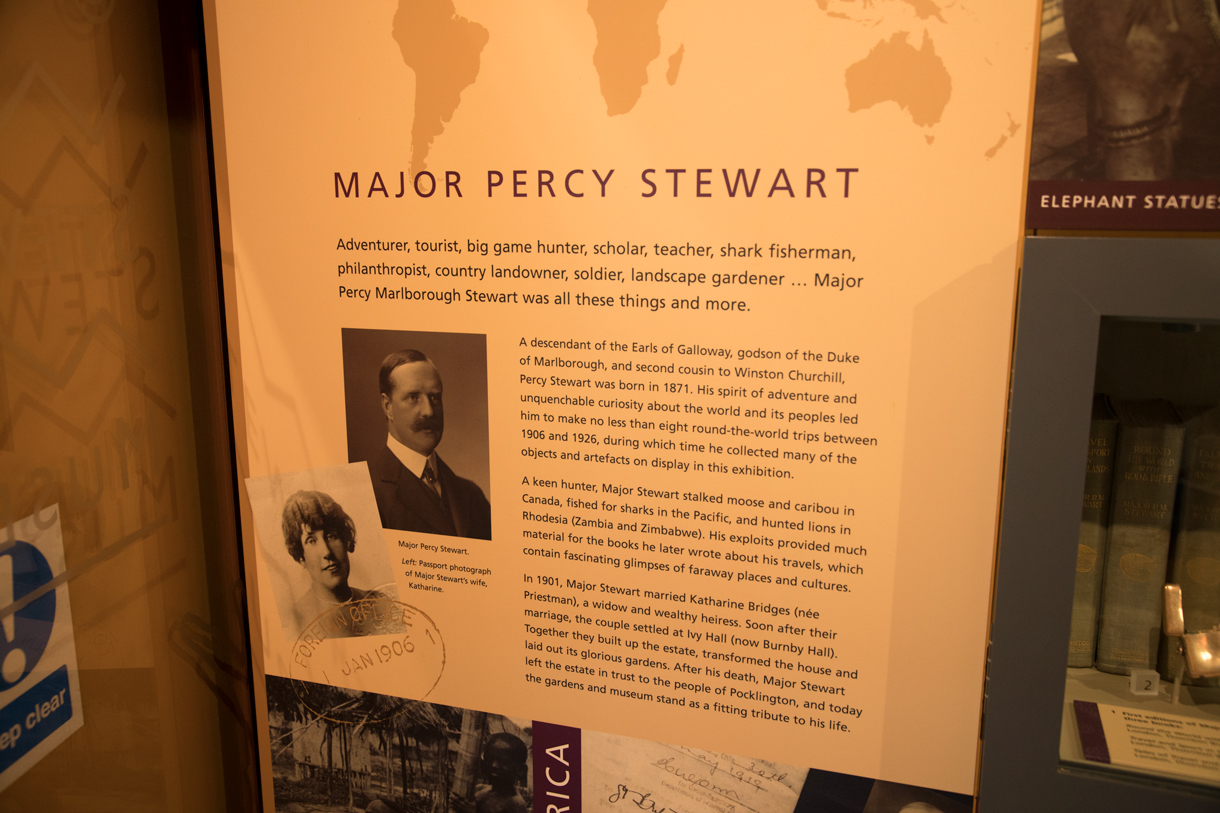
Major Percy Stewart and his wife Katharine bought it in 1901, calling it Ivy Hall. Katharine died in 1939, but Percy lived on in the hall until 1962. He left the estate in trust to the people of Pocklington.
Percy was a teacher from a humble background, but Katharine was the daughter of Jonathan Priestman, who owned collieries in the North East and employed 14,500 people.
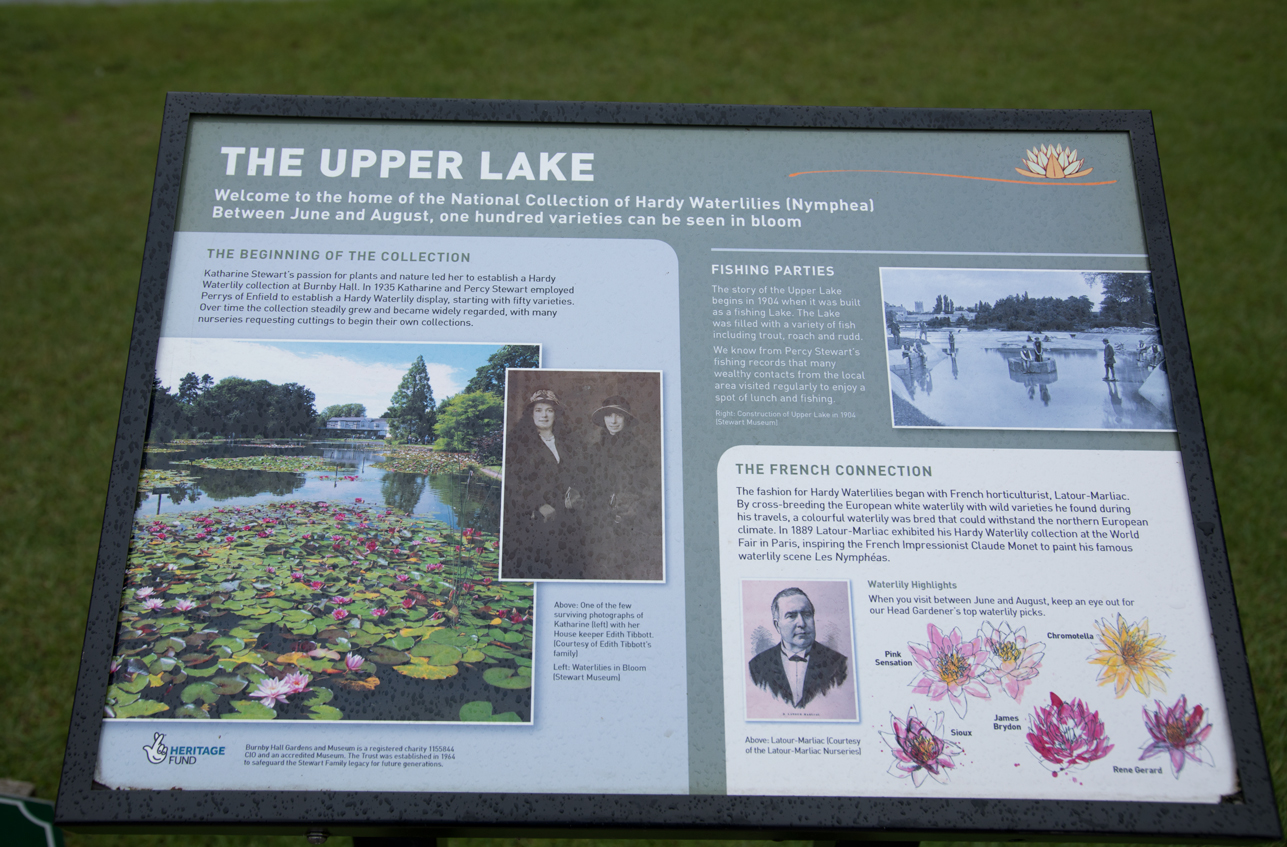
The centrepiece of the garden are two lakes with water lilies.
The Upper Lake (nearest the entrance to the gardens) was built in 1904 as a fishing lake, and Percy Stewart used to invite wealthy chums over for lunch and fishing.
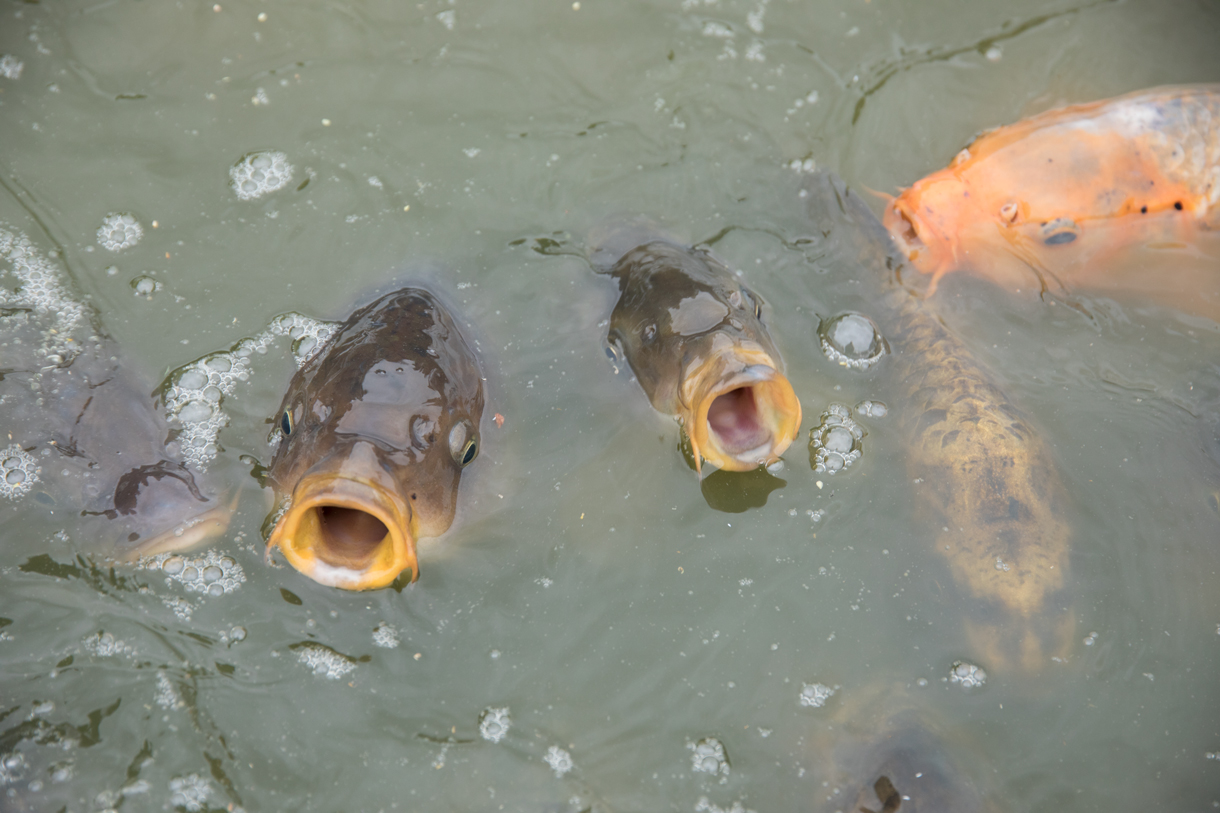
If you approach the lake, fish - that are clearly used to being fed - gape at you.
Katharine Stewart started the collection of hardy waterlilies in 1935, with 50 varieties.
It was French horticulturalist Latour-Marliac who first cross-bred the European white waterlily with colourful wild varieties he found on his travels. He ended up with colourful waterlilies that could withstand the Winters in northern Europe.
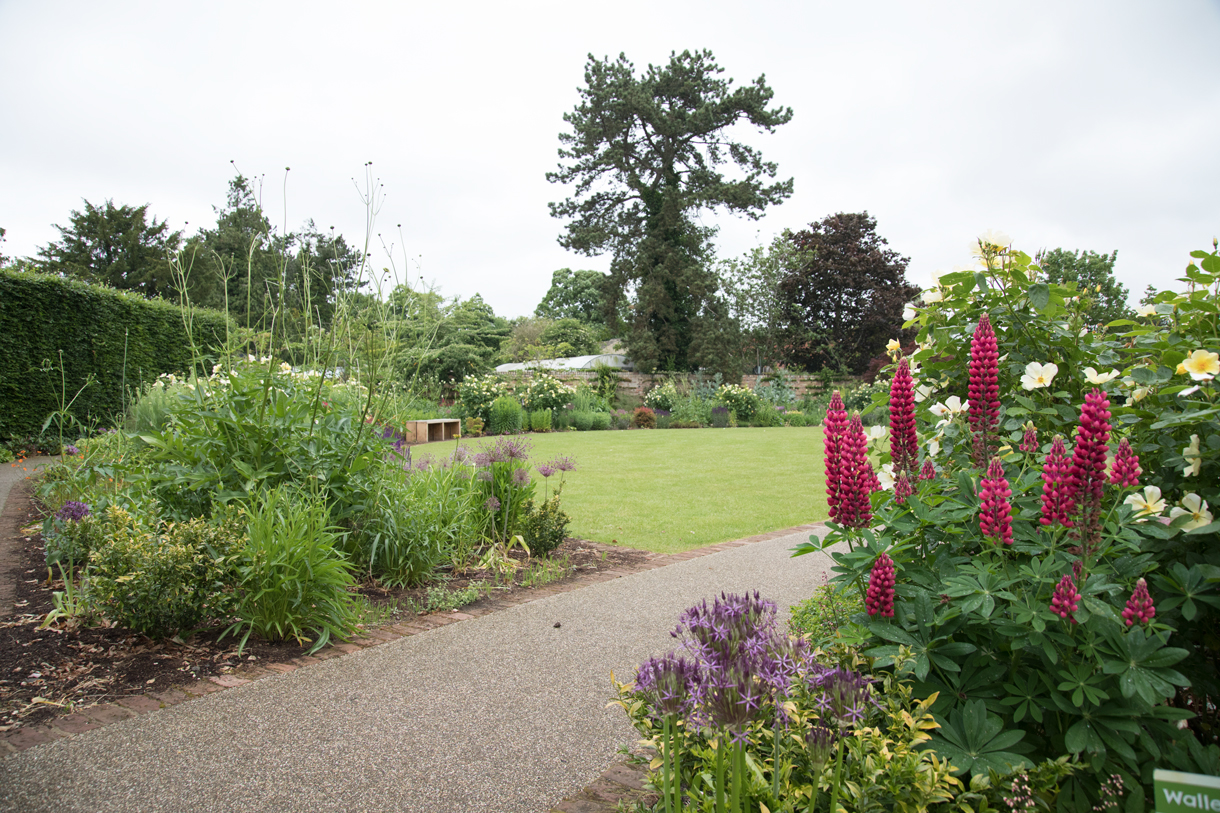
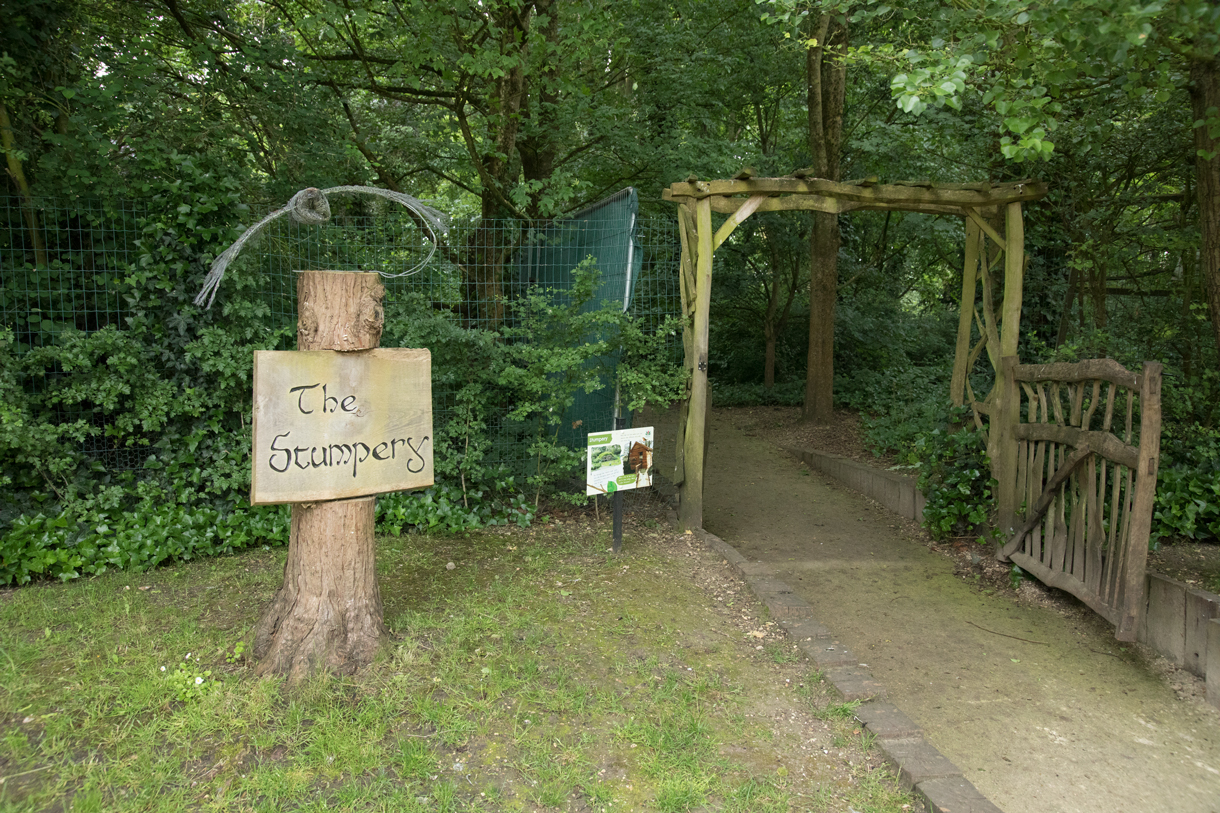
The rest of the gardens, walking clockwise around the lakes includes the following areas: the Secret Garden, the Aviary and Edwardian Summerhouse, the Walled Garden, the Rock Garden, the Stumpery and the Birch Walk.
There is a small museum within the café complex.
It is quite troubling. It focuses on Major Percy Stewart, who made eight round-the-world trips between 1906 and 1926.
He did a lot hunting: moose, caribou and bears in Canada, shark-fishing in the Pacific, and lion- and elephant-hunting in Africa. The stuffed corpse of one of the lions he killed is in the museum.
There are copies of three of Stewart's books in the museum, one of them called Round the World with Rod and Rifle.
From 1926 and the General Strike, the Stewarts had financial problems.
This curtailed their travelling, much to the relief of the world's wildlife no doubt. They also had to sell off some of the estate.
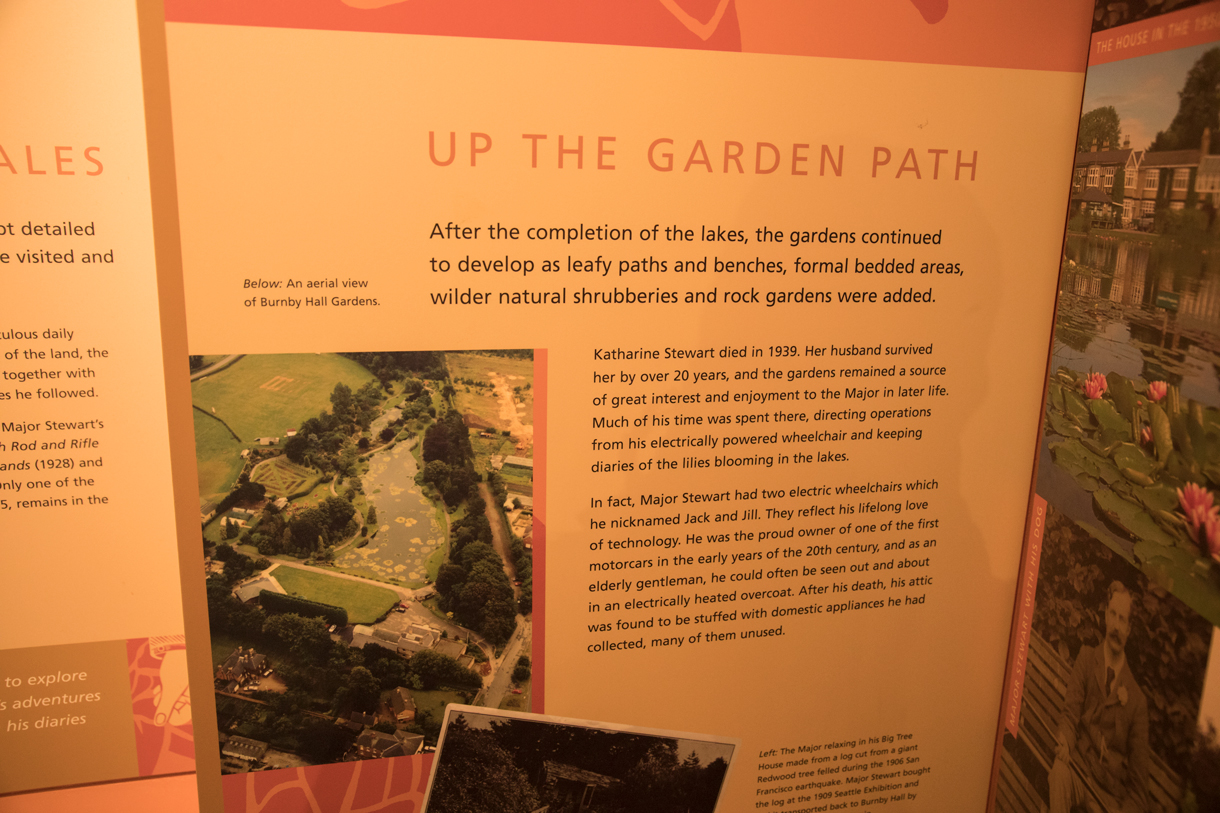
Percy Stewart was an early car-owner.
In later life he had two electric wheelchairs, and he used them to whizz around the gardens. He also had an electrically-heated overcoat.

Bike Rides in the Yorkshire Dales is available in colour paperback.
Find out more about Bike Rides in the Yorkshire Dales or buy a copy.

Bike Rides In and Around York features a historical city tour, plus family rides, road rides, and mountain bike rides.
Find out more about Bike Rides In and Around York or buy a copy.

Bike Rides in Harrogate and Nidderdale is a book of family, mountain and road bike rides.
Find out more about Bike Rides in Harrogate and Nidderdale or buy a copy.
As an Amazon associate I earn from qualifying purchases.