Cycling in Yorkshire & Beyond

Cycling in Yorkshire & Beyond
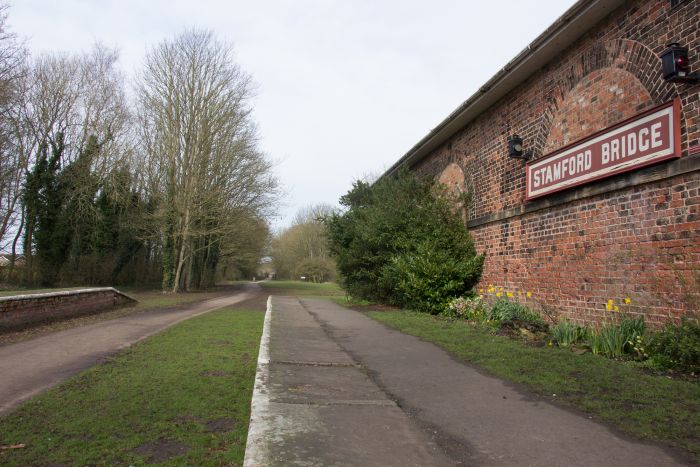
Stamford Bridge is a large village on the A166 about 5 miles east of York. Its population is around 5,000.
It is known for the second-most famous battle of 1066. It once had a station on the York to Beverley railway.
Stamford Bridge is the site of an ancient ford of the river Derwent.
The Romans established a fort here around AD70.
We know from documentary evidence that there was a Roman fort called Derventio. Traditionally it was thought that Malton (also on the river Derwent) was Derventio, but Stamford Bridge Parish Council claims that Derventio was really here.
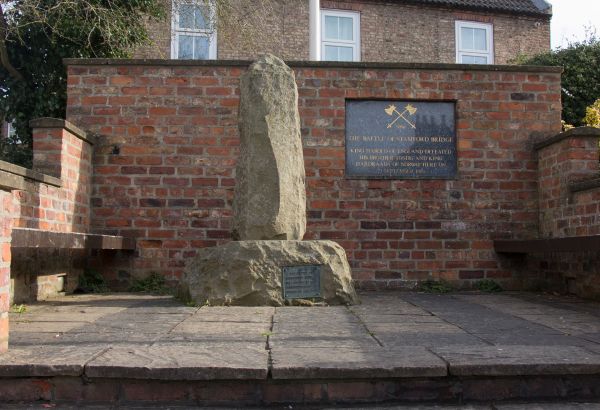
The second most famous battle of 1066 took place in Stamford Bridge, and the result meant the end of the Viking era in Britain.
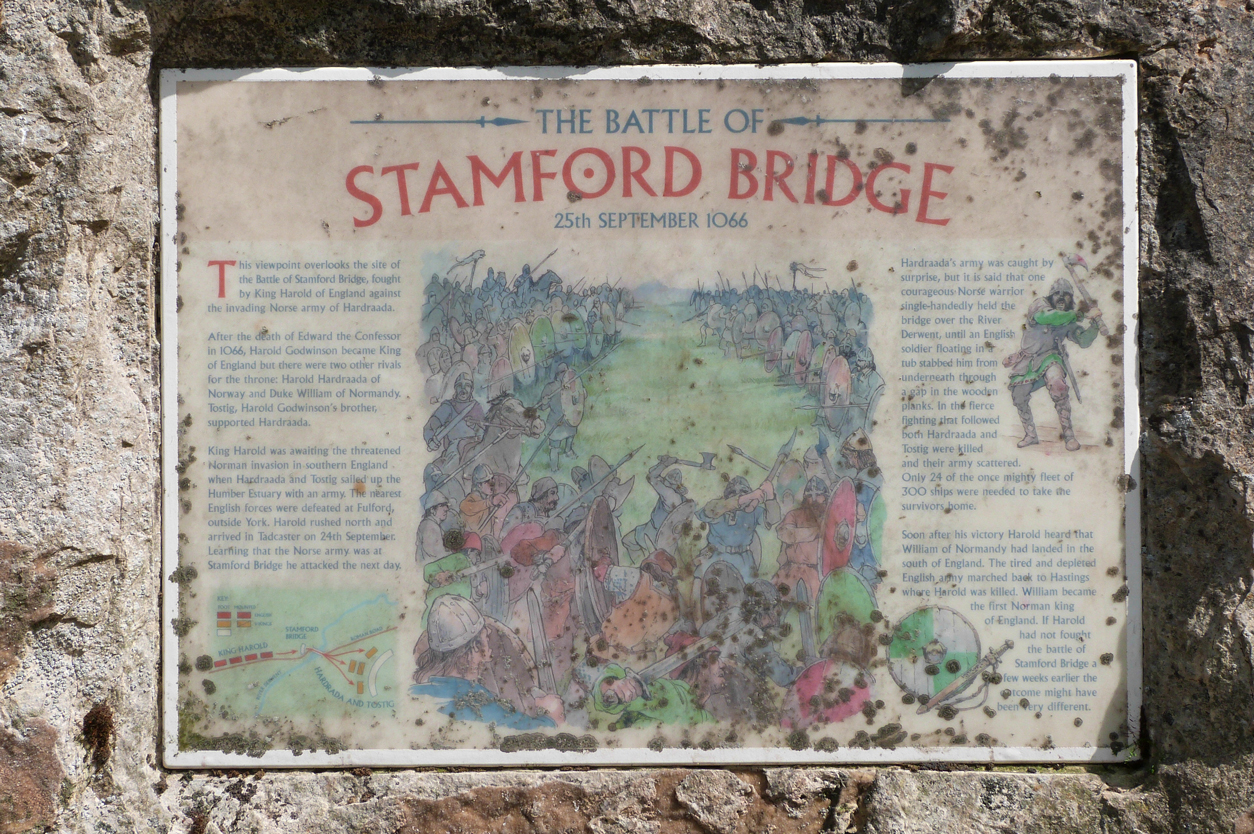
The Battle of Stamford Bridge was on 25th September 1066, and pitted King Harald Hardrada of Norway and Tostig Godwinson against King Harold Godwinson of England.
Harald had brought 9,000 men on 200-300 ships. He sailed up the Humber and Ouse, and fought a battle at Fulford on 20th September against Earls Edwin and Morcar, winning.
Harold was on the south coast awaiting a Norman invasion, but he marched north and caught the Norwegians by surprise.
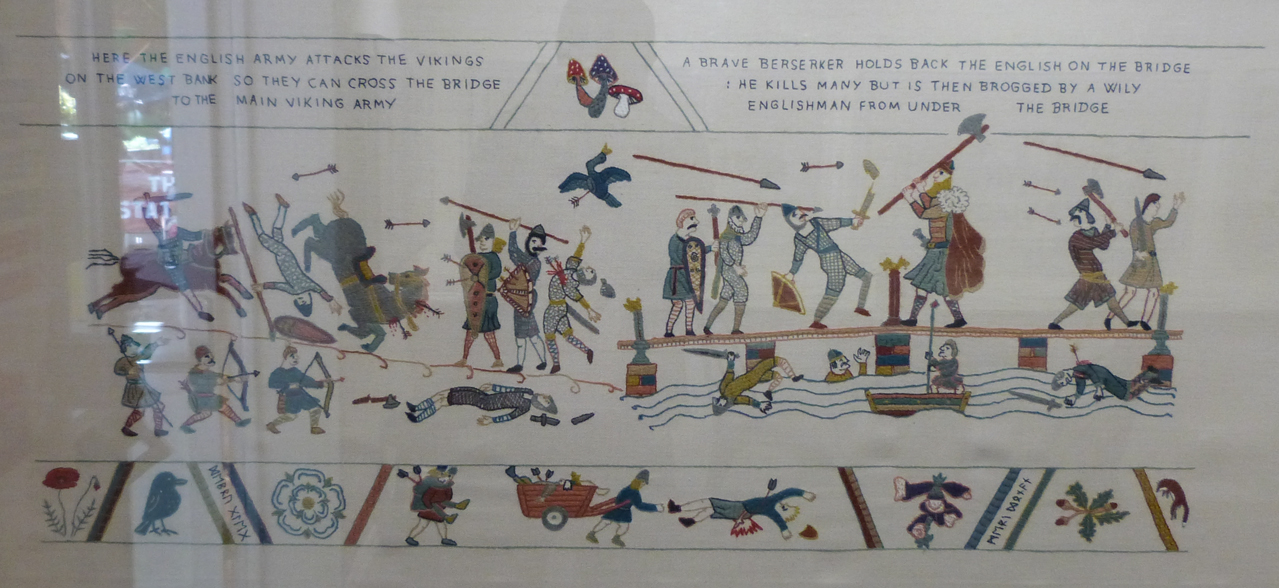
The two armies were on opposite sides of the river Derwent, and a 'beserker' held the wooden bridge over the water for the Norwegians until he was dislodged by an English warrior who floated underneath the bridge in a half barrel and stuck a spear up between the planks.
The battle raged for hours, but was ultimately won by Harold Godwinson's men.
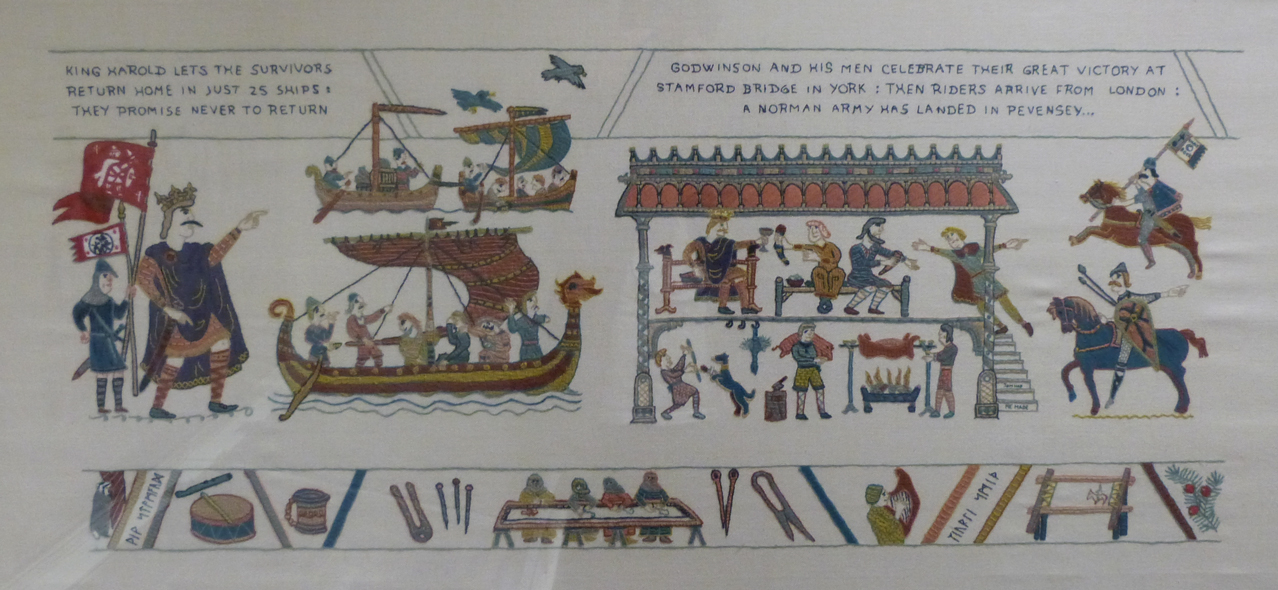
The surviving Vikings only needed 24 ships to take them via Orkney back to Scandinavia.
As well as the monument to the battle by the main road in Stamford Bridge, there is a second one at the edge of a housing estate on White Rose Drive.
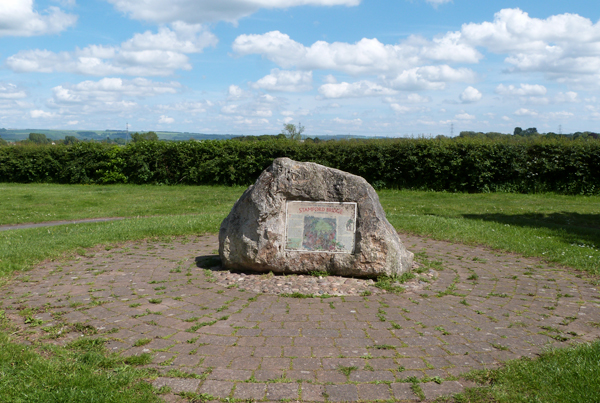
The panel on the commemorative stone explains that the area behind it is where the main battle took place.

Stamford Bridge was on the York to Market Weighton line, built by George Hudson's York & North Midland Railway, and which opened in 1847.
The extension from Market Weighton to Beverley was built by the successor company to YNMR, North Eastern Railway, and opened in 1865.
Trains stopped running in 1965.
Stamford Bridge is on the very busy A166 to the east coast, and the high volumes of traffic are a blight on the village.
It must have been glorious when the bridge was closed in 2007 for eleven weeks for essential repairs.
Stamford Bridge was flooded in November 2000. Flood defences have subsequently been installed at a cost of £3.7 million.
The Old Station Club is a members' club in the old station buildings.
First the community worked on the dilapidated goods shed and opened the Stamford Bridge Sports Hall in it in 1985. Work then started on the Station House, which became a members-only club.
East Riding Council owns the buildings and leases them to the Stamford Bridge Sports Hall Association.
The Old Station Club displays the Stamford Bridge Tapestry.
The Stamford Bridge Tapestry was inspired by the Bayeux Tapestry, and is done in the style and spirit of the Bayeux work.
Whereas the Bayeux Tapestry deals with the Battle of Hastings from a Norman point of view, the Stamford Bridge Tapestry recounts the story of the Battle of Stamford Bridge which took place on 25th September 1066.
Like the Bayeux Tapestry, the Stamford Bridge Tapestry is really an embroidery, stitched in wool on linen.
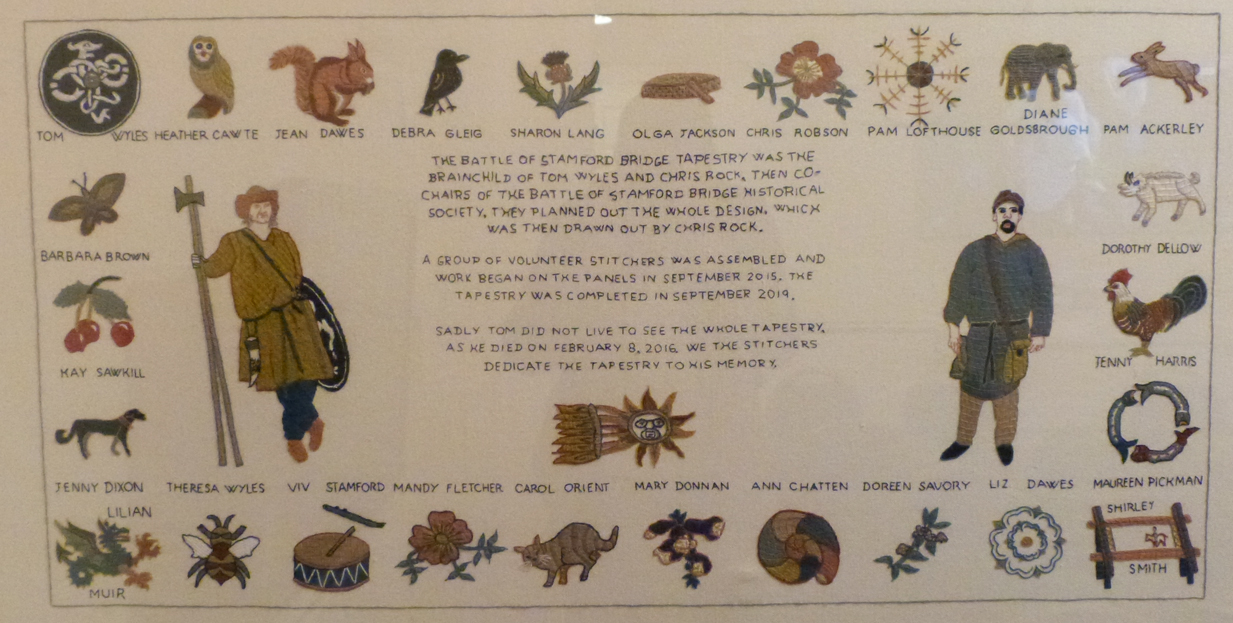
It was conceived by Tom Wyles and Chris Rock of the Battle of Stamford Bridge Historical Society, designed by Chris Rock, and stitched by volunteers under the direction of professional textile artist Shirley Smith.
It was begun in 2015 and completed in either 2019 or 2021 (there is contradictory information from different sources).
This video explains the project.
These are the panels of the Stamford Bridge Tapestry.
Panel explaining the background to the tapestry and introducing the people involved in the project:
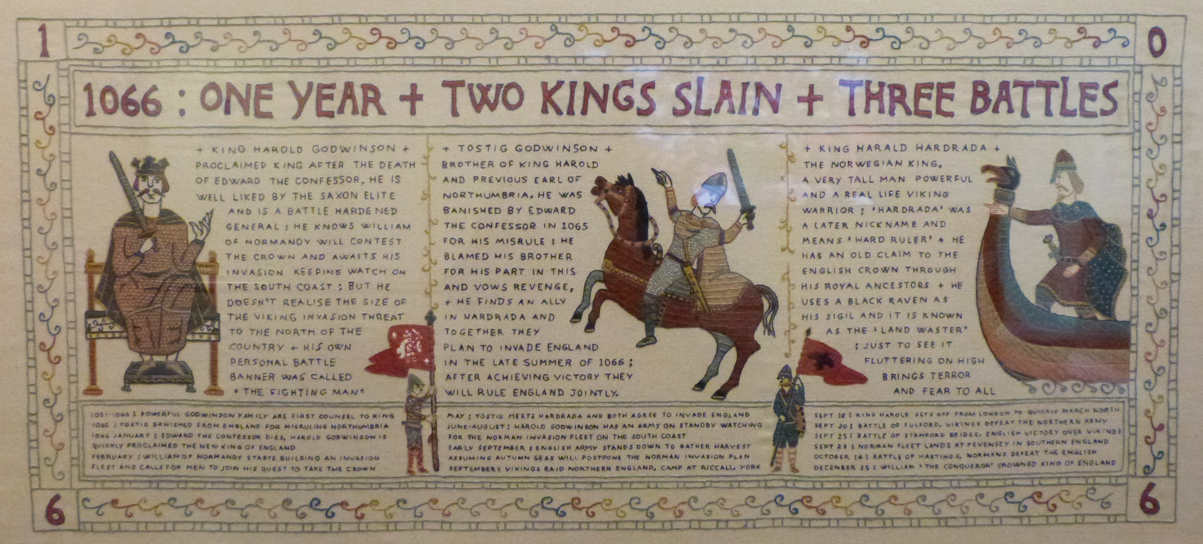
A background to the protagonists at the Battle of Stamford Bridge:
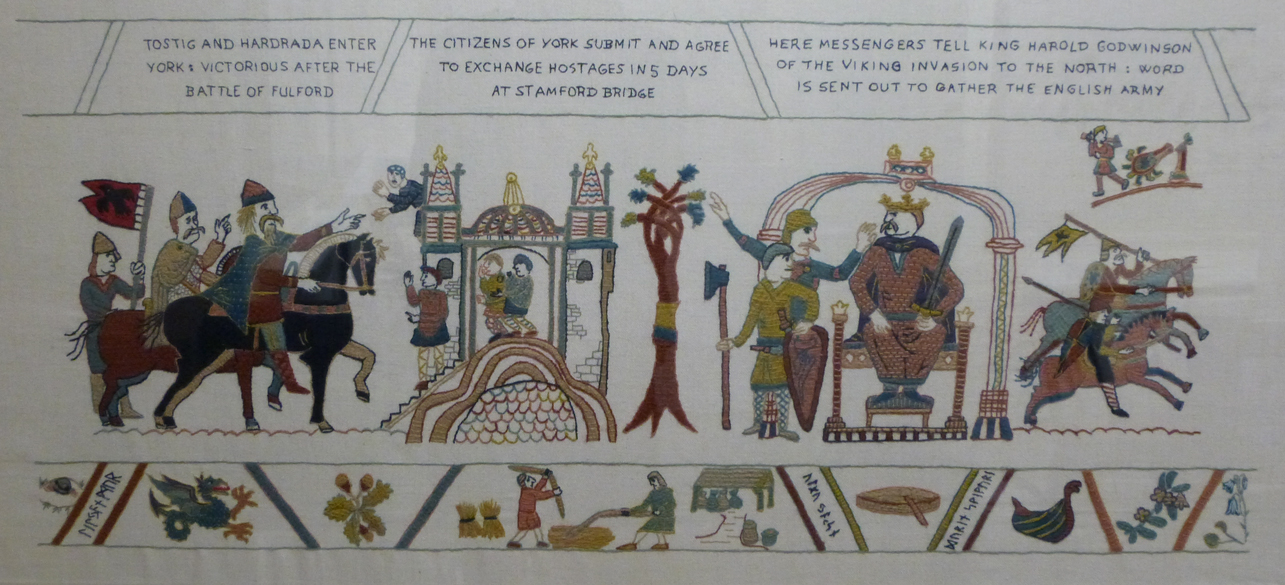
Panel 1 - aftermath of the Battle of Fulford:
Panel 2 - Harold Godwinson's army marches north:
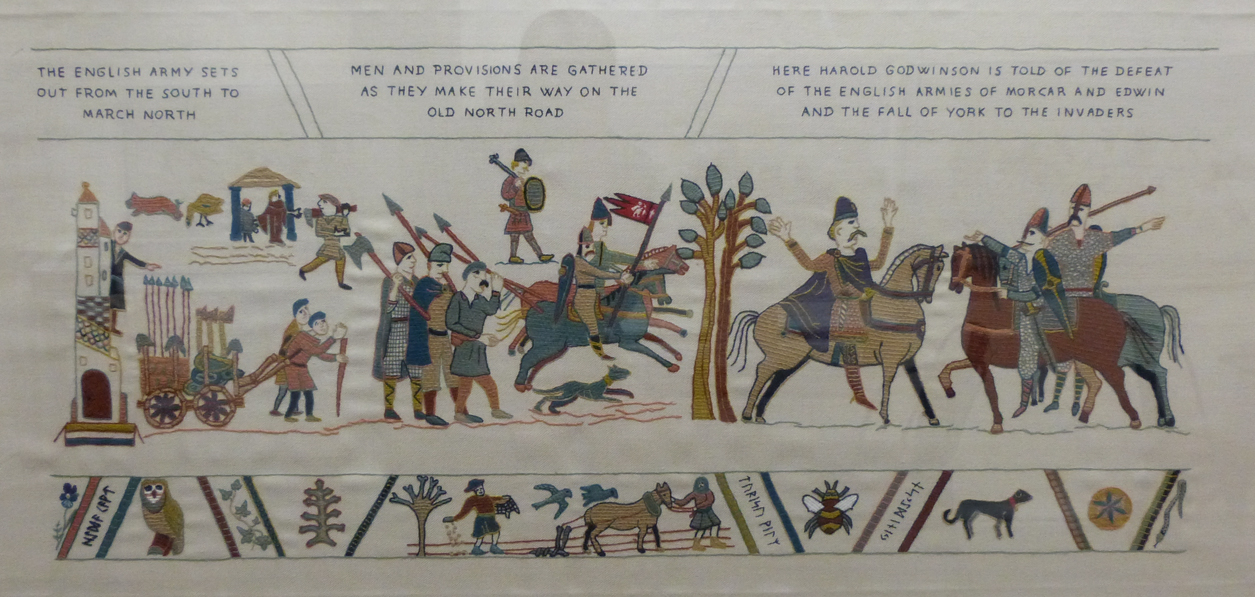
Panel 3 - the Vikings at Riccall and Harold in York:
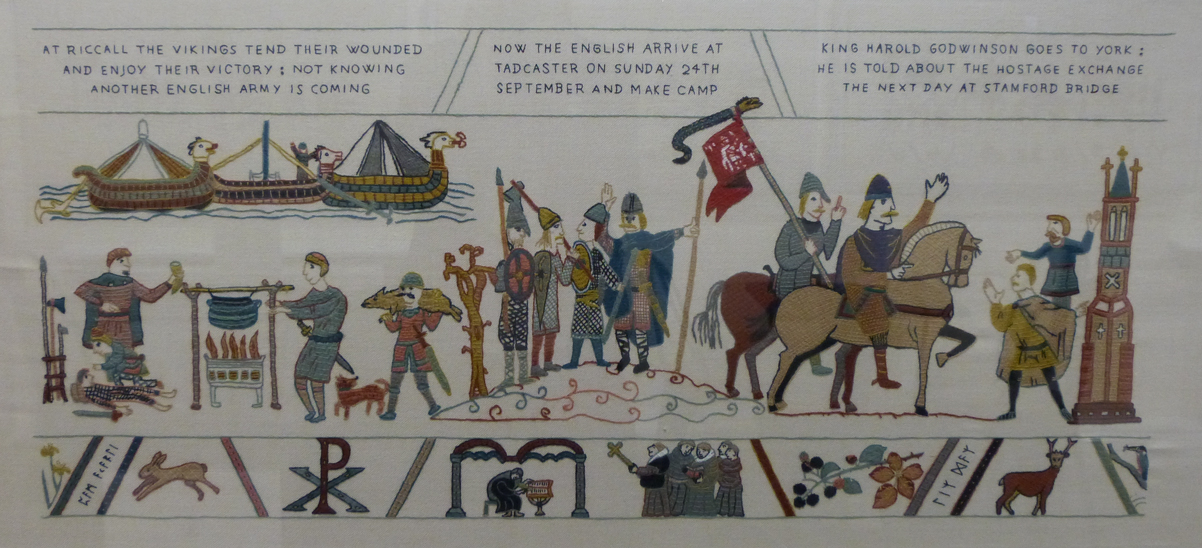
Panel 4 - the two sides make their way to Stamford Bridge:
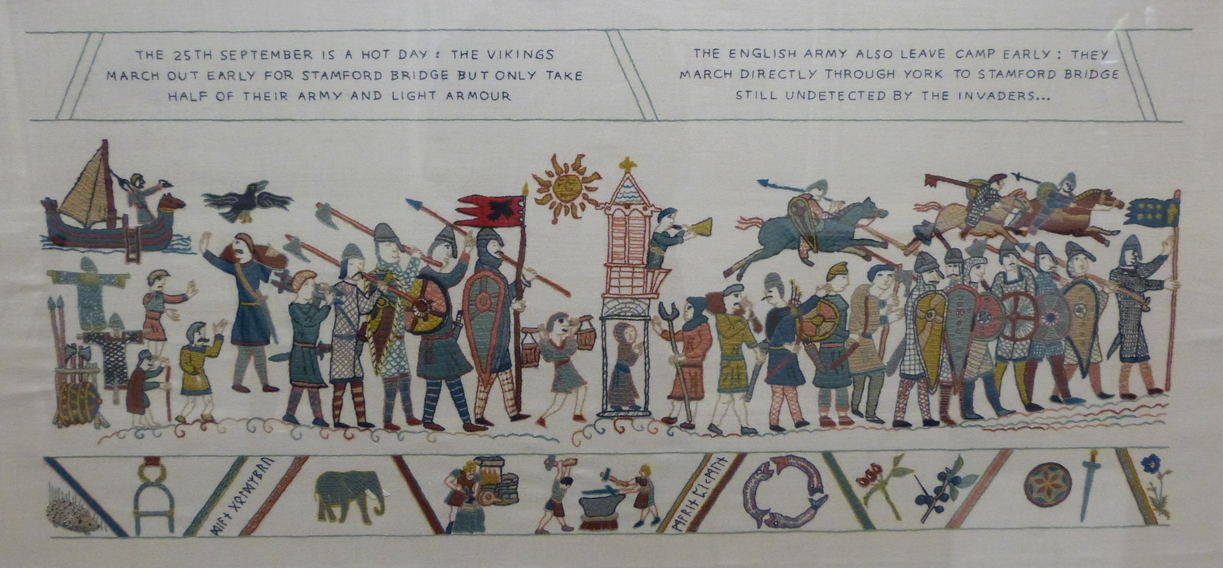
Panel 5 - the armies arrive at Stamford Bridge:
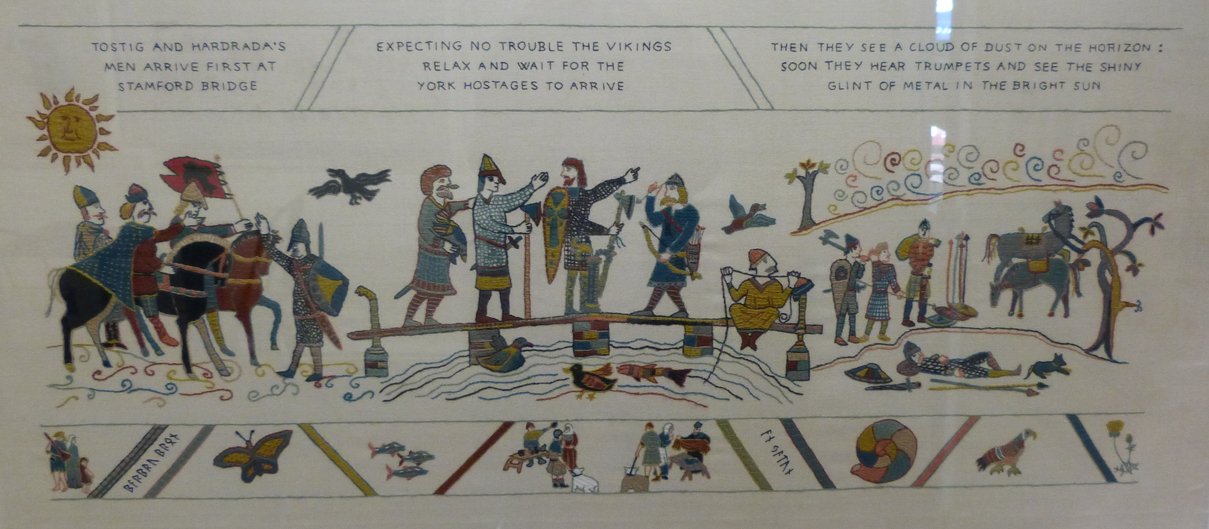
Panel 6 - the start of the battle:
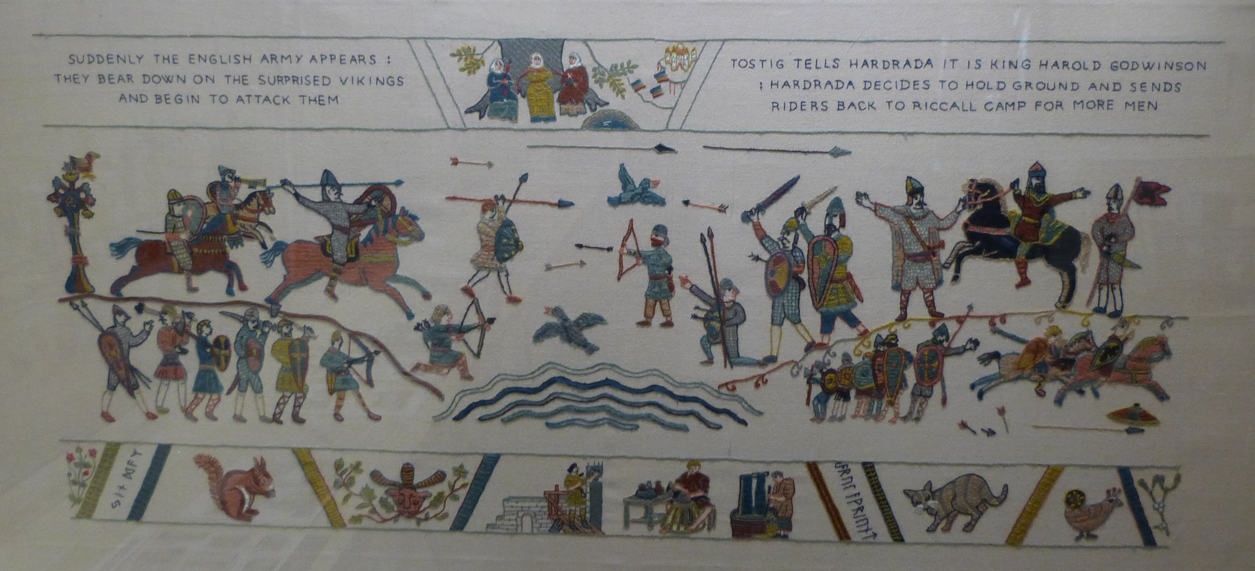
Panel 7 - the beserker on the bridge:
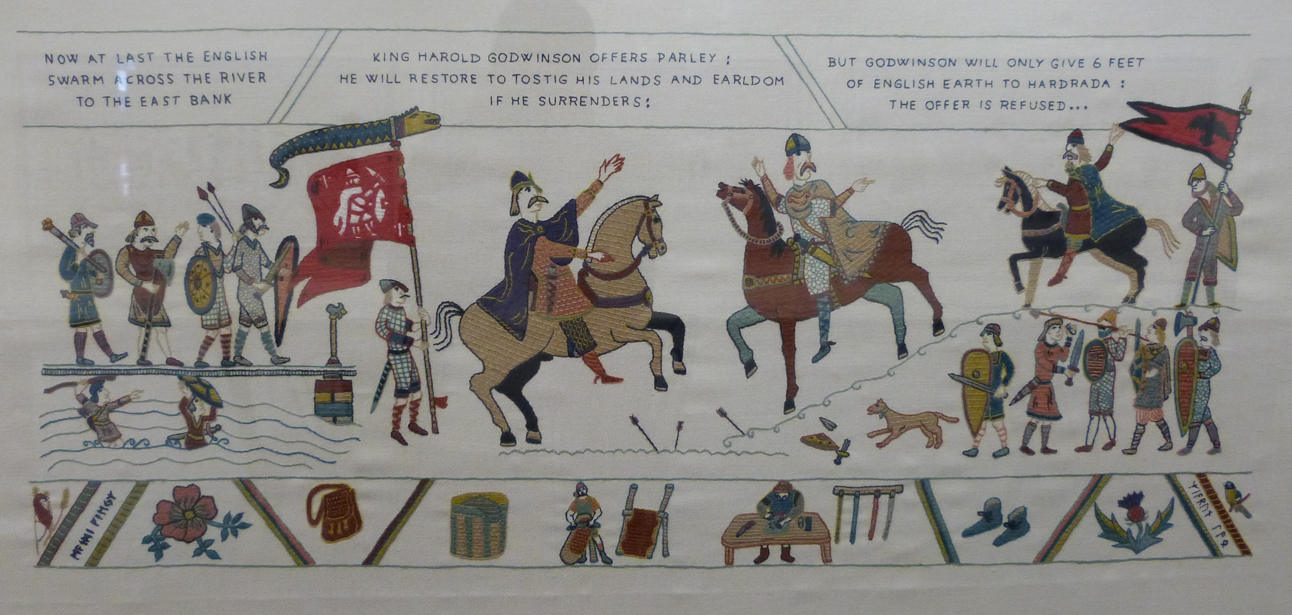
Panel 8 - crossing the bridge and parley:
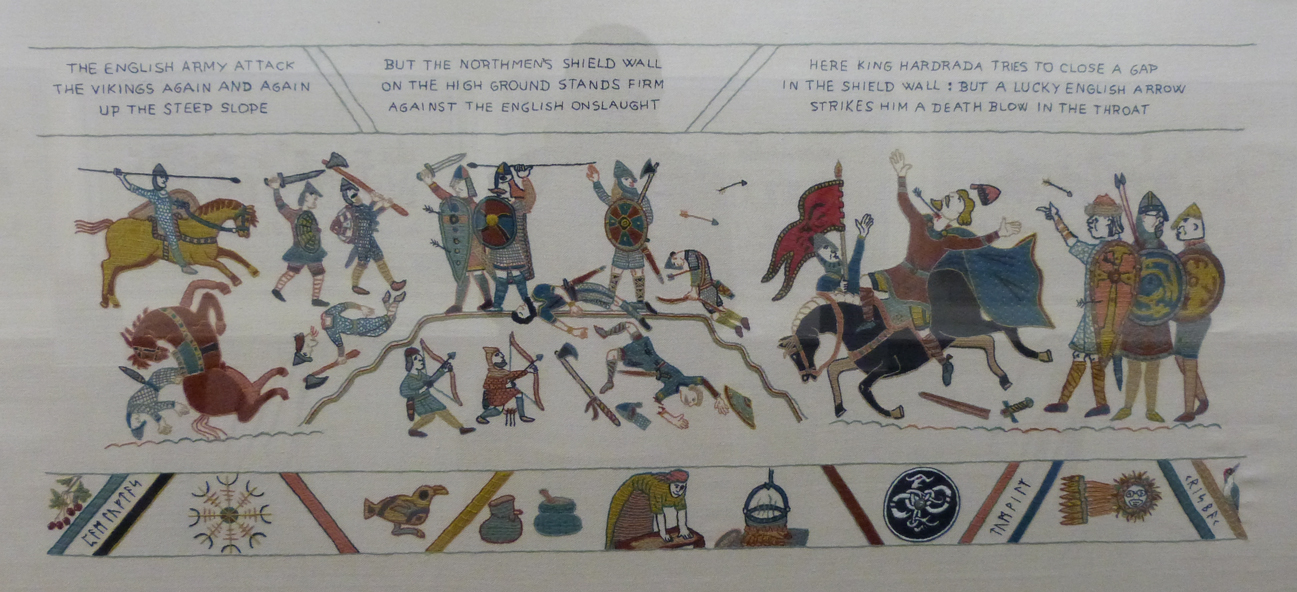
Panel 9 - Hardrada is killed:
Panel 10 - Tostig picks up Hardrada's banner:
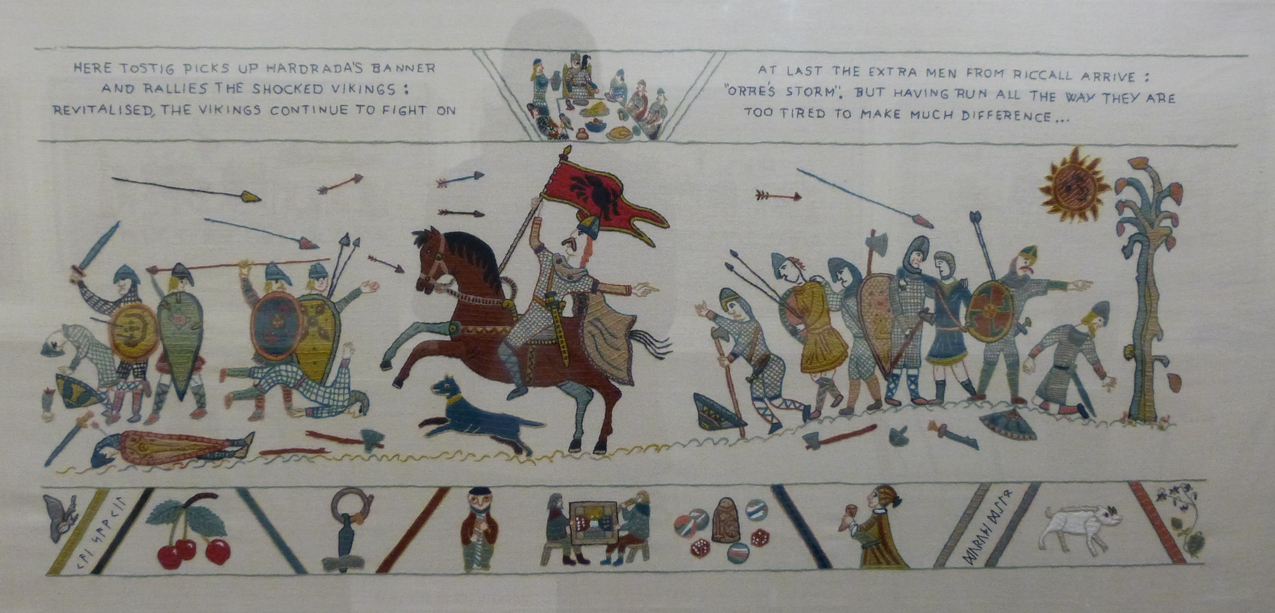
Panel 11 - Tostig is killed:
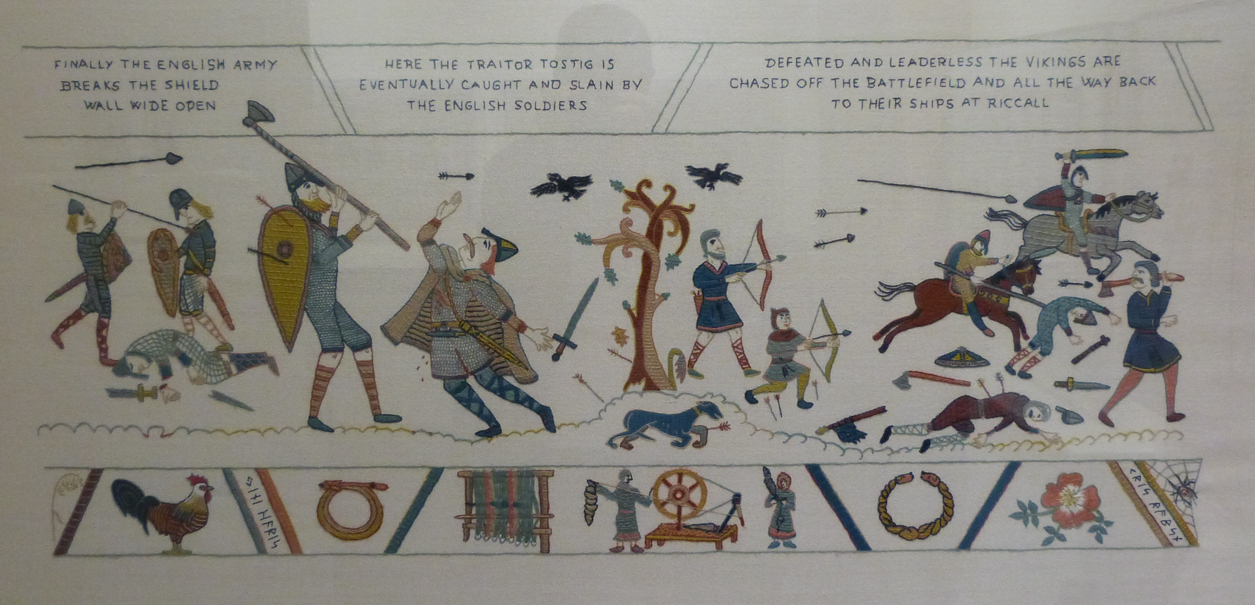
Panel 12 - the Vikings sail away:
There are two pubs in Stamford Bridge - the Bay Horse and the Three Cups.
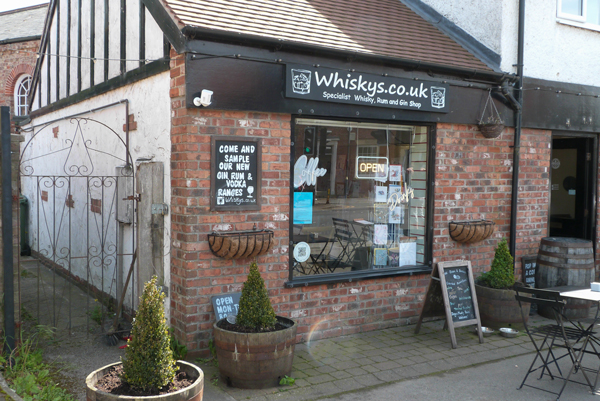
There's an area of shops and cafés just off the A166 immediately south east of the bridge. It suffers from all the traffic driving through.
Whiskys does tastings of the whiskys and gins they sell.
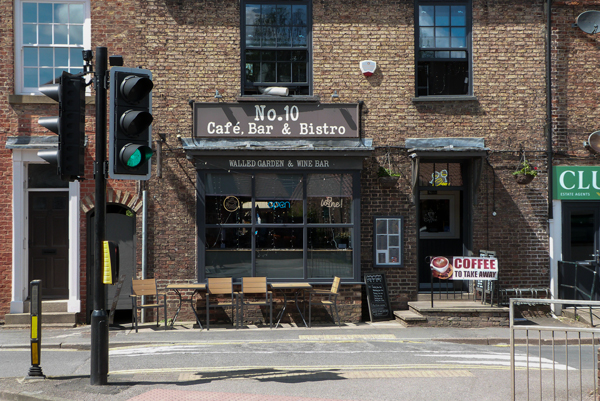
The Square Bakehouse is a popular bakery, and No. 10 café gets enthusiastic reviews.
Bridge Rolls is another option for a light lunch.
There are free public WCs at The Square.

Bike Rides in the Yorkshire Dales is available in colour paperback.
Find out more about Bike Rides in the Yorkshire Dales or buy a copy.

Bike Rides In and Around York features a historical city tour, plus family rides, road rides, and mountain bike rides.
Find out more about Bike Rides In and Around York or buy a copy.

Bike Rides in Harrogate and Nidderdale is a book of family, mountain and road bike rides.
Find out more about Bike Rides in Harrogate and Nidderdale or buy a copy.
As an Amazon associate I earn from qualifying purchases.