Cycling in Yorkshire & Beyond

Cycling in Yorkshire & Beyond
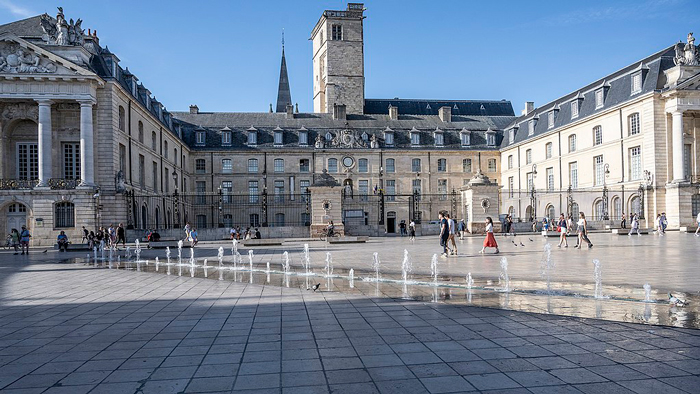
Stage 6 of the Tour de France 2024 is a 163.5km flat stage from Mâcon to Dijon.
From the point of view of history and culture, Stage 6 takes in two of the great Medieval monasteries of France - Cluny Abbey and Cîteaux Abbey.
There's also a short stretch along the Route des Grands Crus, which showcases Burgundy's best vineyards.
There may well be a breakaway on Stage 6, but the sprinters' teams will want to catch it and contest the 800m straight to the finish line in Dijon.
As this is the stage of the two great abbeys, there's an opportunity for monastic jokes: the sprinters will all want to get into the habit of winning, but some of them won't have a prayer.
These are video highlights of Stage 6 Tour de France 2024.
This is the Stage 6 blog/race report.
Race Details | Poll | Map & Profile | Timings | Videos | Food & Drink | Route Notes | Favourites
| Date | Thursday 4th July 2024 |
|---|---|
| Stage classification | Flat |
| Distance | 163.5km |
| Intermediate sprint | Cormatin |
| Climbs | Col du Bois Clair (Cat. 4) |
| Total climbing | 1,000m |
Vote for one of the main contenders to win Stage 6.
This is a map of the route of Stage 6, Tour de France 2024.

This is a zoom-able map of the route of Stage 6 of the 2024 Tour de France.
Note: this routemap was produced a long time in advance of the race, and could be subject to changes.
This is the profile of Stage 6 Tour de France 2024.

| Caravan | Fast Schedule | Slow Schedule | |
|---|---|---|---|
| Start Time (départ fictif) | 1135 |
1335 |
1335 |
| Start Time (départ réel) | 1150 |
1350 |
1350 |
| Col du Bois Clair Climb | 1204 |
1403 |
1404 |
| Intermediate Sprint Cormatin | 1233 |
1430 |
1433 |
| Finish Line Dijon (163.5km) | 1538 |
1719 |
1738 |
This is a video of the route of Stage 6 Tour de France 2024.
The last time the Tour de France finished in Dijon was on Stage 19 of the 1997 edition of the race. Two riders broke away from the breakaway, Bart Voskamp and Jan Heppner, and contested the win - as they thought.
They leaned against each other as they approached the line, and both were disqualified. That left an opportunity for the other breakaway riders, and it was seized by Mario Traversoni.

There are plenty of local food and drink specialities on the route of Stage 6.
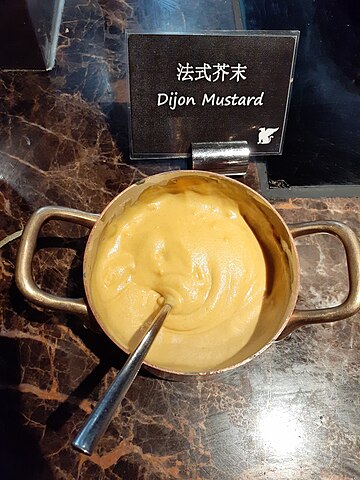
The Burgundian finish town, Dijon, is particularly well-known for making mustard.
Mustard seeds were used to make mustard from as early as Roman times, by combining them with grape must left over from wine making.
Dijon has been famous for making high-quality mustard since the 1200s or 1300s. The key ingredient in Dijon mustard (and French mustard generally) is the brown mustard seed, as opposed to white mustard seeds used elsewhere.
The Dukes of Burgundy made local mustard a prominent feature on their dinner tables. Guilds of mustard-makers formed in Dijon in the 1500s.
Jean Naigeon of Dijon was a well-known mustard maker in the 1700s, and he stressed the importance of using the acidic juice of unripe grapes in his recipe, not vinegar. This was 'the Dijon way', he claimed.
Up until World War II, mustard was grown in charcoal burner clearings in the local area, but thereafter mustard seeds were largely grown in Canada and imported into France.
Wine is made in the start town, Mâcon, and in Burgundy where the stage finishes. I'm suggesting Mâcon wine to accompany this stage.
Buy 2 bottles of Mâcon Villages on Amazon (affiliate link).
The stage starts in Mâcon (départ fictif).
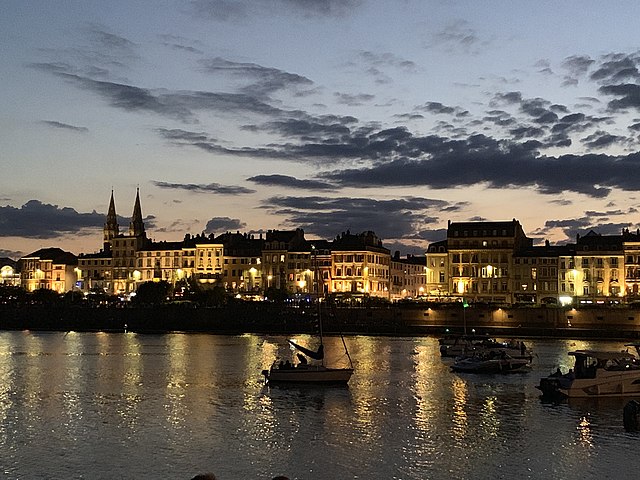
Mâcon is home to around 34,000 people. It's on the western bank of the river Saône.
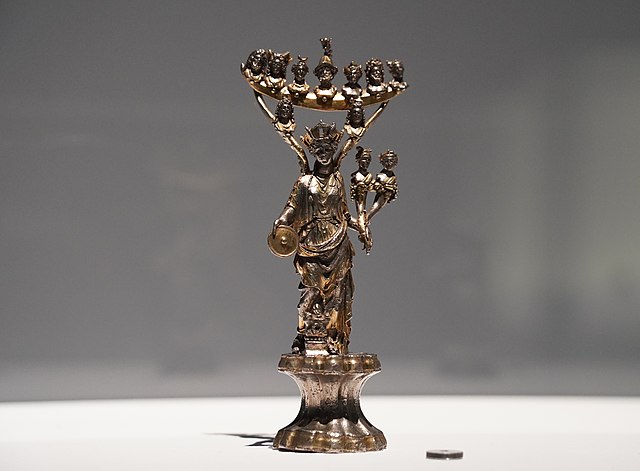
Celts of the Aedui tribe established an oppidum here. The town then developed under the Roman Empire - demonstrated by the discovery of a hoard known as the Mâcon Treasure. (It's in the British Museum, obviously).
In the Middle Ages, Mâcon belonged to the Dukes of Burgundy.
During World War II, Mâcon was the northernmost town in the unoccupied zone libre. The Résistance were present.
The town was liberated by Operation Dragoon troops arriving from the south having landed in Provence.
Mâcon has a Cathedral, a theatre, and a museum of fine arts.
The Maison des Vins showcases Mâcon's wines, which are made with the Chardonnay grape. The best-known wine is Pouilly-Fuissé.
The Eté Frappé festival in Summer features music, open air film shows and plays, and sporting events.
A meringue-based cake filled with butter cream is a local speciality, known as l'Idéal Mâconnais.
Alphonse de Lamartine (1790-1869) was a writer, poet and politician from Mâcon.
Mâcon is twined with Crewe and Nantwich in the UK, and with Macon, USA.
The peloton heads north west out of Mâcon, picking up the D17. The départ réel is on the D17 outside Mâcon near Chevagny-les-Chevrières.
The race goes north west to La Roche-Vineuse, where you can visit the Château de la Greffière's Vine and Wine Museum, and La Croix-Blanche.
The only categorised climb of the day, the Col du Bois Clair, comes very early.
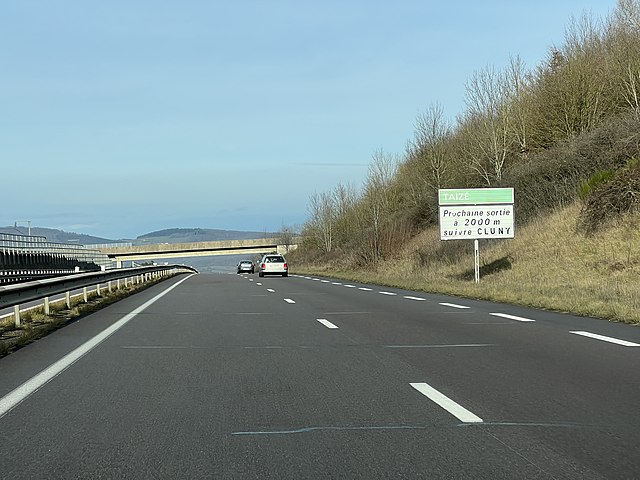
The climb to the Col du Bois Clair is on the old road, la Vieille Route, which is parallel to the N79 (pictured above). The climb is 1.6km at an average 6%. It culminates at 396m after 10km raced.
The riders continue a further 6.5km to Cluny, famous for its abbey.
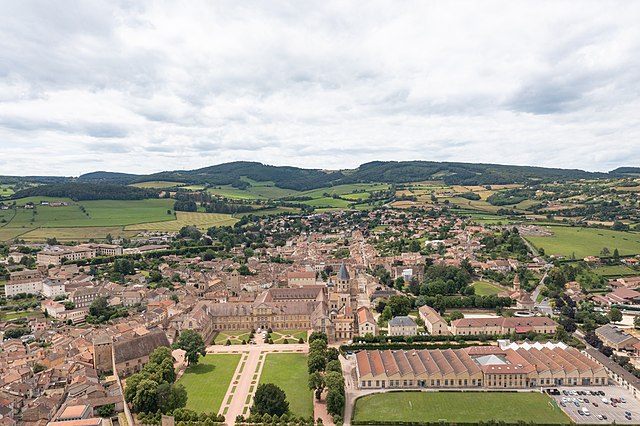
Cluny is a town on the river Grosne which grew up around its Benedictine Abbey, founded in 910 by Duke William I of Aquitaine.
The Abbey answered directly to the Pope, which gave it a good deal of independence.
Cluny was very influential from the 950s to the early 1100s, being regarded as the leader of western monasticism. This was partly due to the Abbey's strict adherence to the Rule of St Benedict. The Cluniac Reforms involved a return to traditional monastic life, with an emphasis on art and caring for the poor.
The monks prayed constantly, while hired workers and managers did the farming and manual labour.
Cluny received bequests from around Europe, as the rich and powerful wanted to be remembered in Cluny's prayers.
Soon Cluny became the central Abbey in a network of 314 others under its authority. This included some in England, such as Lewes Priory and Lenton Priory. The Abbots of Cluny became leaders on the international stage.
The third church at Cluny, Cluny III, was begun in 1088, and was the largest church in Europe at the time. It was eventually trumped by St Peter's in Rome in the 1500s.
The Abbey was sacked by Huguenots in 1562, and at that time many of its valuable manuscripts were destroyed or removed.
Catholic monasteries were suppressed at the time of the French Revolution too, and at this time Cluny Abbey was sold for use as a quarry, its archives burnt and its library ransacked.
By 1810 Cluny was almost totally demolished. Only one of the original eight towers remains.
The remaining abbey buildings house an engineering school.
Leaving Cluny, Stage 6 follows the river Grosne upstream via Massilly to Taizé.
Taizé is home to the Taizé Community, founded in 1944 by Swiss friar Roger Schutz. It brings together around a hundred pastors and friars from all over the world, including Protestant monks.
Next on the route is Cormatin.
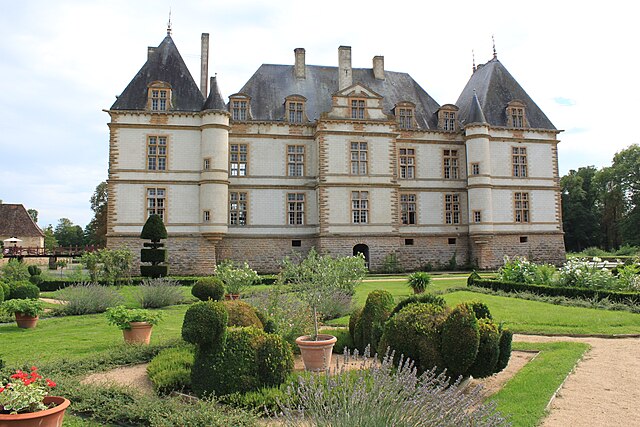
The intermediate sprint takes place at Cormatin, after 31.1km raced.
The Château de Cormatin is a Renaissance edifice built for the Marquises of Huxelles in the early 1600s.
It's known for its lavish interior decoration. Outside there's a moat, and beautiful gardens with ponds, a boxwood maze and an outdoor theatre.
Poet Lamartine often lived here.
Stage 6 continues north towards Saint-Gengoux-le-National, passing through Sercy.
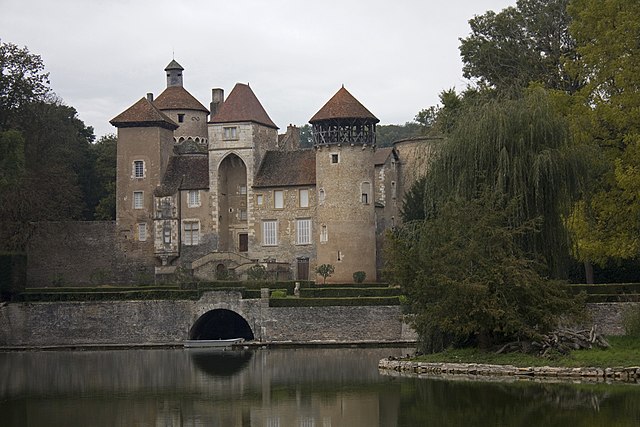
The Château de Sercy was built in the 1100s and the 1400s for the Sire of Sercy. It now belongs to the Contenson family.
By the time the race reaches Buxy, it is well into wine country.
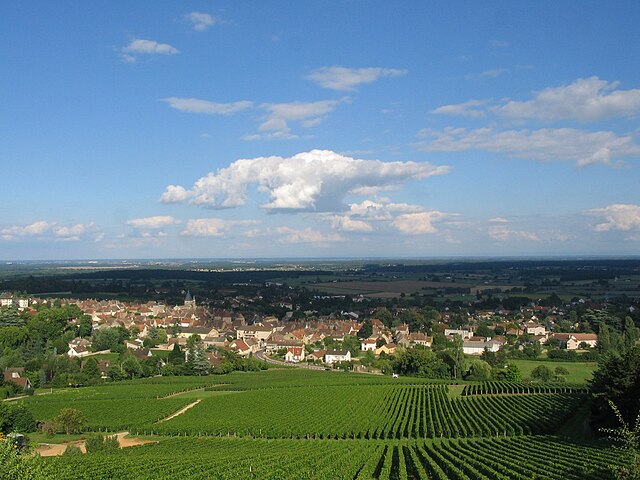
Wines made in Buxy can be labelled Montagny, Burgundy or Côtes Chalonnaises.
Buxy had an important Medieval hospital.

Skiing Made Easy is a practical guide to learning to ski based on many happy seasons of ski teaching.
It takes you through the beginner's progression from snowplough to parallel turns, starting at the very beginning and not assuming any prior knowledge.
The book suggests relevant exercises to develop and improve your skills. Common faults are identified, along with the best ways to correct them.
'By the way' sections contain information about many of the little things that people assume you just know, but you may not.
'This is the book I wish I'd had when I started skiing' - reviewer on Amazon.
How to buy:
The race continues through Givry, whose twirling baton club were 2022 World Champions.
Stage 6 crosses the river Orbize at Germolles near the Château de Germolles.
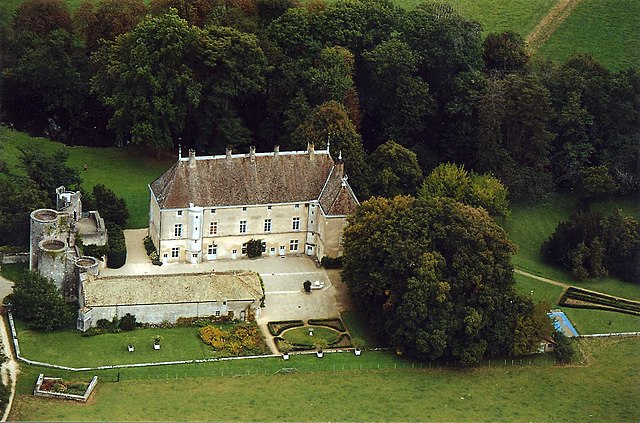
The château dates from the 1200s and 1300s, and was a residence of Duke of Burgundy Philip the Bold and his wife Duchess Margaret III of Flanders.
The race goes on past Rully.
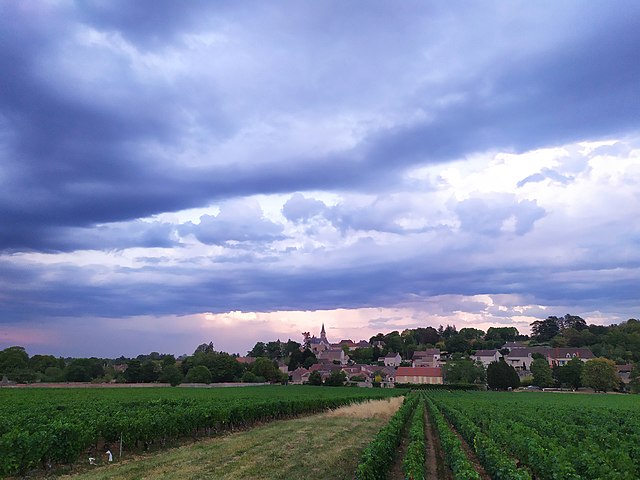
It then reaches Chagny on the river Dheune.
North of Chagny, Stage 6 picks up part of the Route des Grands Crus. The riders go past Chassagne-Montrachet and through Puligny-Montrachet and Meursault.
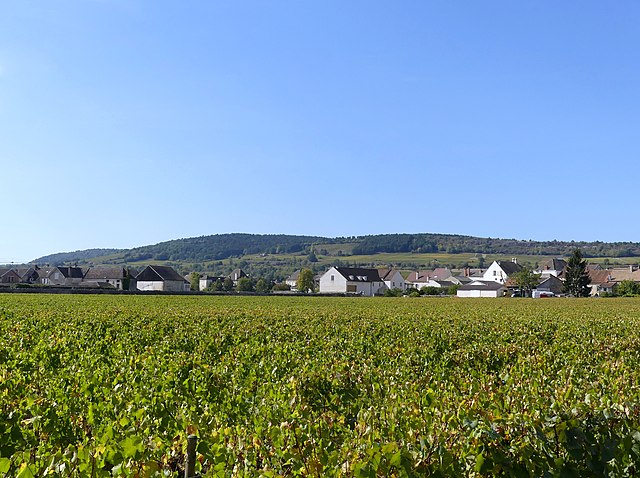
The Route des Grands Crus crosses the most prestigious part of the Burgundy vineyards that include 37 villages in the Côte de Nuits and Côte de Beaune area between Santenay in the south and Dijon in the north.
See a map of the Route des Grands Crus.
Mersault wines are mainly whites made from Chardonnay grapes.
Just short of Beaune, Stage 6 diverts east into the Dheune valley, heading towards the Saône at Pouilly-sur-Saône.
The route is then north to Cîteaux Abbey.
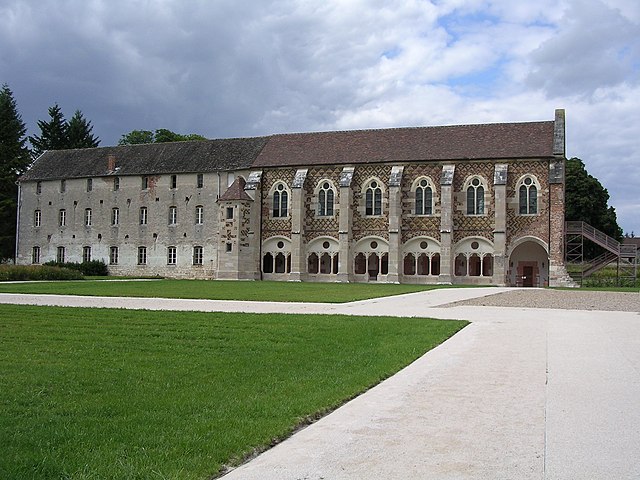
Cîteaux Abbey was founded on St Benedict's Day (21st March) 1098. It was the first Cistercian Abbey.
The first Abbot was Robert de Molesme, later a saint. The site he and the first monks chose was wooded, swampy and sparsely populated.
The great church of Cîteaux Abbey was completed in 1193. It became the dynastic burial place of the Dukes of Burgundy.
By the beginning of the 1200s, there were more than 500 Cistercian houses, and Cîteaux Abbey became an important centre of Christianity.
Cistercians follow the Rule of St Benedict and the Latin Rule, written by Bernard of Clairveaux. At Cîteaux Abbey the monks did agricultural work and manual labour.
They wear white choir robes over their habits, and are known as White Monks, as opposed to Benedictines who wear black.
In 1791, during the French Revolution, the Abbey was seized and its property sold off.
From 1898, the remains of the Abbey were bought back and repopulated by Trappists (also called Cistercians of the Strict Observance).
The run-in to the finish takes the race through Izeure and Longecourt-en-Plaine, where a château offers visitor accommodation.
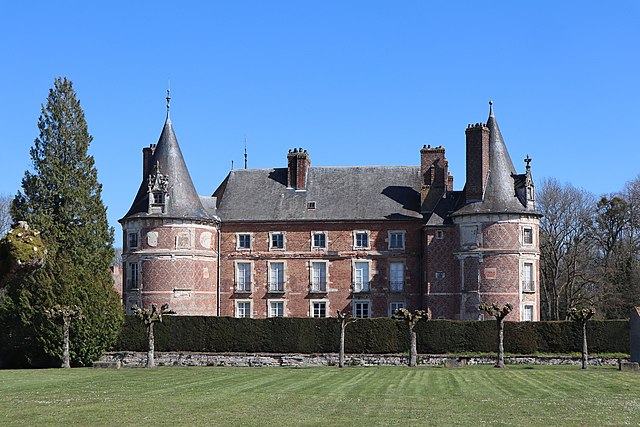
One Tripadvisor reviewer of Longecourt-en-Plaine château says:
'Our little dog loved it so much that he kept running back into the castle and hiding from us, delaying our journey back!'
The race continues through Thorey-en-Plaine, where it crosses the Canal de Bourgogne.
Next on the route are Rouvres-en-Plaine, Fauverney and Neuilly-Crimolois. Dijon is now close by.
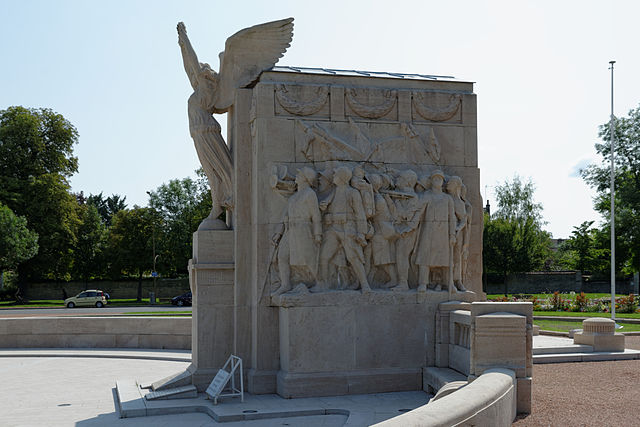
The race arrives in Dijon from the south east.
The riders take the Rue de Neuilly past the Cimetière des Péjoces. Further along, the road is called the Boulevard de Chicago.
It bends round to the right, where it's the Avenue du Président JFK, passing the Parc de Colombière.
Now there's a straight run up the Cours du Parc, which leads to a roundabout at the Monument de la Victoire. Here, the riders go straight on.
They continue up the Cours du Générale de Gaulle to a finish line near the junction with the Rue des Princes de Condé.
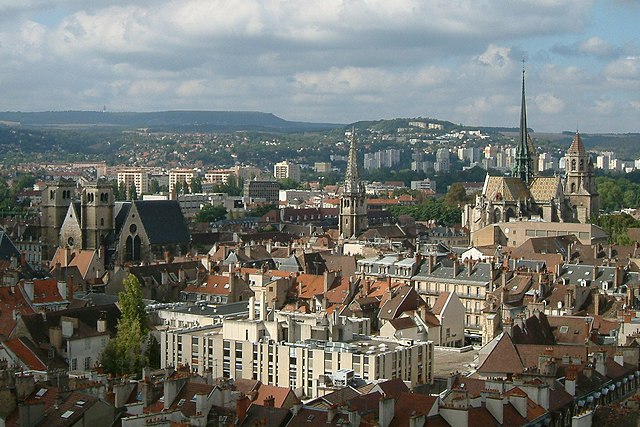
The Stage 6 finish town is Dijon, on the river Ouche. It has a population of 157,000.
It has been inhabited since the Neolithic period. It was a Roman settlement called Divio.
Under the Dukes of Burgundy, who were based here from the 1000s to the 1400s, Dijon prospered and became a centre of art, learning and science.
The Palace of the Dukes of Burgundy now houses the Town Hall and an art museum. Many of the half-timbered houses from this period survive.
The local architecture is distinguised by toits bourguinons - Burgundian polychrome roofs.
Dijon holds a Gastronomic Fair every Autumn, which doubtless features Dijon mustard. As noted above, Dijon mustard uses sour grape juice rather than vinegar.
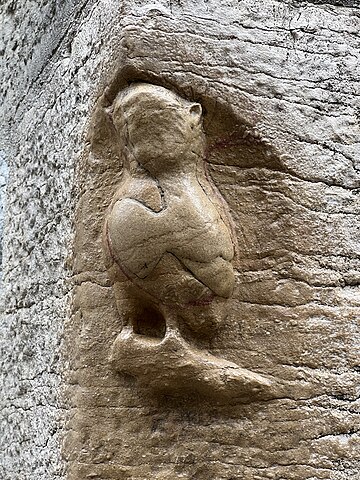
If you visit Dijon's Notre Dame church, you're supposed to touch a stone owl sculpture with your left hand, for good luck and to make a wish. (It isn't all that lucky for the owl, whose head has been so worn away that it doesn't look much like an owl.
Dijon is twinned with York.
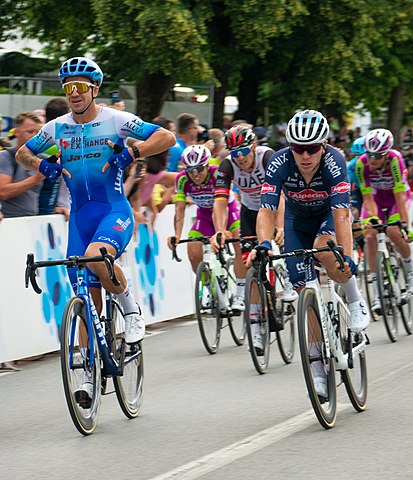
This is the third opportunity for sprinters on the 2024 Tour, including Jasper Philipsen and Mark Cavendish.
Dylan Groenewegen, now racing for Team Jayco Alula, will want to win a stage of the biggest race on the calendar. Maybe he will be cut the mustard in Dijon.
He won Stage 1 of the recent Tour of Slovenia, so is in decent shape.
Who do you think will win Stage 6 of the 2024 Tour de France?

Muc-Off dry chain lube, price £7.66 from Amazon at the time of writing (affiliate link).
'Thousands of purchasers can't be wrong'.
As an Amazon Associate, I can theoretically earn a small commission from qualifying purchases.

New in 2023, Bike Rides in the Yorkshire Dales is available in colour paperback.
Find out more about Bike Rides in the Yorkshire Dales or buy a copy.

Bike Rides In and Around York features a historical city tour, plus family rides, road rides, and mountain bike rides.
Find out more about Bike Rides In and Around York or buy a copy.

Bike Rides in Harrogate and Nidderdale is a book of family, mountain and road bike rides.
Find out more about Bike Rides in Harrogate and Nidderdale or buy a copy.

Find out more about Mountain Bike Rides in the Yorkshire Dales.
Buy Mountain Bike Rides in the Yorkshire Dales at £8 + P&P.

Garmin Edge Explore, £197.99 at the time of writing.
Garmin Edge Explore on Amazon (affiliate link).

Faster by Michael Hutchinson on Amazon (affiliate link).


